




Neuromuscular Disorders Specialty
The Neuromuscular Disorders Specialty at Tianjin Huanhu Hospital is a distinctive subspecialty within the Department of Neurology, dedicated to the precise diagnosis, standardized treatment, and long-term management of diseases affecting motor neurons, peripheral nerves, the neuromuscular junction, and skeletal muscles.
As the first specialized diagnostic center for muscle diseases in Tianjin, the program provides peripheral nerve and muscle biopsy services for patients from Tianjin and surrounding regions. With skeletal muscle pathology and advanced neurophysiological assessment as its two core diagnostic strengths, the subspecialty leverages the hospital’s comprehensive neuroscience platform to provide standardized diagnosis and treatment, precision genetic testing, multidisciplinary rehabilitation, and clinical and translational research in neuromuscular disorders.
Through an integrated clinical pathway, the team provides comprehensive medical services spanning etiological diagnosis, individualized treatment, functional rehabilitation, chronic disease management, and long-term follow-up.
Ⅰ. Scope of Diagnosis and Treatment
Neuromuscular disorders comprise a heterogeneous group of diseases with diverse clinical manifestations. Common symptoms include limb weakness, muscle atrophy, numbness or sensory disturbances, myalgia, gait abnormalities, dysphagia, and respiratory dysfunction.
1. Motor Neuron Diseases
The subspecialty focuses on the early recognition, comprehensive evaluation, stratified treatment, and long-term multidisciplinary management of progressive motor neuron disorders, particularly amyotrophic lateral sclerosis (ALS) and spinal muscular atrophy (SMA).
For patients with progressive motor dysfunction, the team integrates clinical assessment, neurophysiological testing, genetic evaluation when indicated, respiratory and swallowing assessment, rehabilitation, nutritional support, and long-term follow-up to establish individualized disease-management strategies.
2. Peripheral Neuropathies
The team provides standardized diagnosis and treatment for a broad spectrum of acute, chronic, immune-mediated, metabolic, and hereditary peripheral neuropathies, including Guillain–Barré syndrome (GBS), chronic inflammatory demyelinating polyradiculoneuropathy (CIDP), diabetic peripheral neuropathy, and Charcot–Marie–Tooth disease (CMT).
Through detailed clinical evaluation and electrodiagnostic testing, peripheral neuropathies can be further characterized according to their distribution, pathophysiological pattern, and underlying etiology, providing a basis for individualized treatment.
3. Neuromuscular Junction Disorders
With myasthenia gravis (MG) as a major clinical focus, the subspecialty has established a standardized system for diagnosis, immunotherapy, disease monitoring, and long-term management of neuromuscular junction disorders.
Clinical assessment is integrated with specialized neurophysiological testing and other diagnostic approaches to evaluate disease severity, treatment response, and long-term disease control.
4. Skeletal Muscle Diseases
Skeletal muscle pathology is one of the defining strengths of the subspecialty. Supported by an established muscle pathology platform, the team provides comprehensive diagnosis and treatment for a broad range of complex, rare, and diagnostically challenging myopathies.
These include hereditary muscular dystrophies, such as Duchenne muscular dystrophy (DMD) and Becker muscular dystrophy (BMD); inflammatory and immune-mediated myopathies, including dermatomyositis, polymyositis, and immune-mediated necrotizing myopathy; and metabolic and hereditary myopathies, including mitochondrial myopathies, glycogen storage myopathies, and lipid storage myopathies.
Through the integration of clinical phenotyping, neurophysiology, muscle pathology, imaging, immunological testing, and genetic analysis, the team provides systematic evaluation for patients presenting with unexplained muscle weakness, myalgia, elevated muscle enzymes, exercise intolerance, and muscle atrophy.
Ⅱ. Core Technical Strengths
The subspecialty has established a dual-core precision diagnostic system integrating neurophysiological functional localization with skeletal muscle pathological characterization. This approach creates a diagnostic pathway extending from functional assessment and anatomical localization to pathological classification and etiological diagnosis, particularly for complex and rare neuromuscular disorders.
1. Advanced Neurophysiological Assessment
The program routinely performs specialized electrodiagnostic examinations, including needle electromyography (EMG), nerve conduction studies (NCS), repetitive nerve stimulation (RNS), and somatosensory evoked potentials (SEPs), etc.
These techniques help determine whether a pathological process predominantly involves the motor neuron, peripheral nerve, neuromuscular junction, or skeletal muscle, providing objective information for lesion localization, disease classification, differential diagnosis, assessment of severity, and evaluation of therapeutic response.
2. Comprehensive Skeletal Muscle Pathology
The subspecialty has established a comprehensive workflow for muscle biopsy and pathological diagnosis, encompassing muscle tissue sampling, frozen-section preparation, special histochemical staining, enzyme histochemistry, and immunohistochemical analysis.
This platform enables detailed identification of disease-specific patterns of protein expression.
Muscle pathology represents an essential diagnostic component for many complex, hereditary, inflammatory, metabolic, and rare skeletal muscle diseases and, when integrated with clinical, neurophysiological, biochemical, and genetic findings, can substantially improve diagnostic accuracy and reduce missed or incorrect diagnoses.
3. Multidisciplinary Diagnosis and Treatment
For patients with complex clinical manifestations, suspected hereditary disorders, multisystem involvement, or diagnostically challenging neuromuscular diseases, the subspecialty organizes multidisciplinary team (MDT) consultations involving specialists in neurology, medical imaging, pathology, immunology, genetic analysis, and rehabilitation medicine.
By integrating clinical phenotyping with imaging, electrophysiology, pathology, immunological assessment, and molecular genetic testing, the team develops individualized and comprehensive diagnostic and therapeutic strategies for complex cases.
4. Standardized Treatment and Full-Course Disease Management
The subspecialty follows current evidence-based clinical guidelines and provides individualized treatment according to disease type, severity, and underlying pathophysiological mechanisms.
Specialized treatments include immunomodulatory and immunosuppressive therapies, targeted therapies when indicated, intravenous immunoglobulin (IVIg), and therapeutic plasma exchange.
For chronic progressive disorders such as motor neuron diseases and hereditary neuromuscular disorders, a structured long-term follow-up system has been established to provide dynamic disease assessment, medication adjustment, rehabilitation guidance, respiratory and nutritional evaluation when required, and prevention and management of complications.
Ⅲ. Clinical Team and Specialty Development
A dedicated Neuromuscular Disorders Clinic provides patients with a specialized pathway for the diagnosis and management of neuromuscular diseases.
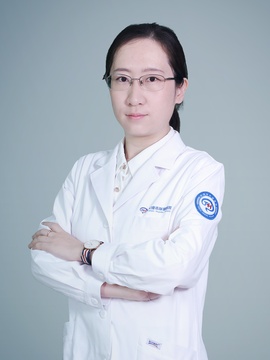
The subspecialty is led by Chief Physician Zhihong Shi and Associate Chief Physician Lingya Qiao, supported by a multidisciplinary clinical team with expertise in neuromuscular medicine, neurophysiology, skeletal muscle pathology, and the diagnosis and treatment of rare neuromuscular disorders.
The leadership team has undertaken specialized academic and clinical training at leading institutions, including Chinese PLA General Hospital (301 Hospital), Peking University First Hospital, and the National Center of Neurology and Psychiatry (NCNP) in Japan, and has participated in international academic exchange in the field of neuromuscular diseases.
With longstanding expertise in skeletal muscle pathology and the precision diagnosis of rare myopathies, the team has accumulated extensive experience in the evaluation and management of complex and diagnostically challenging neuromuscular disorders.
In addition to clinical care, the team actively participates in professional education and academic exchange and undertakes clinical teaching and specialist training. Research and technological innovation focus on areas including the pathological mechanisms of skeletal muscle diseases, early diagnosis of rare myopathies, precision diagnosis, and optimization of long-term clinical outcomes.
Through the integration of clinical neurology, neurophysiology, skeletal muscle pathology, molecular genetics, immunology, rehabilitation medicine, and multidisciplinary care, the Neuromuscular Disorders Specialty at Tianjin Huanhu Hospital is committed to advancing the standardized, precise, and individualized diagnosis and treatment of neuromuscular diseases, while providing comprehensive, full-course care for patients with both common and rare neuromuscular disorders.