



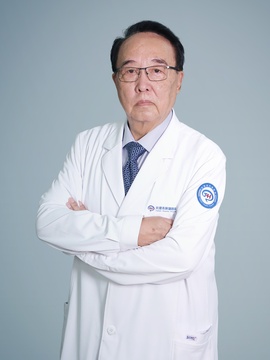
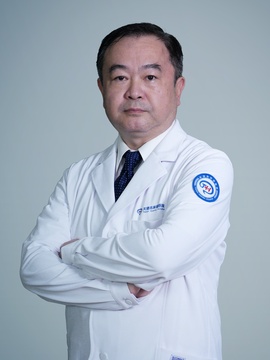
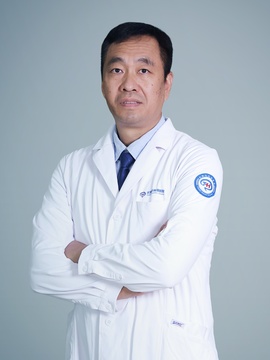
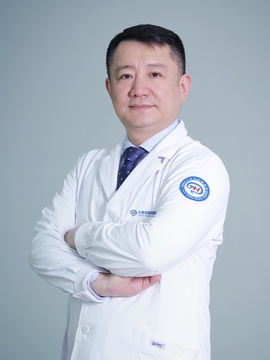

Neuro-Oncology Center
The Neuro-Oncology Center at Tianjin Huanhu Hospital was officially established on July 1, 2022. Building upon the hospital’s longstanding strengths in the diagnosis and treatment of neurological diseases, the Center was established in response to the growing need for multidisciplinary and comprehensive cancer care and brings together high-quality clinical and research resources from across the hospital.
The Center integrates expertise from neurosurgery, otolaryngology–head and neck surgery, ophthalmology, medical oncology, radiation oncology, interventional therapy, pathology, medical imaging, and rehabilitation medicine. By overcoming the limitations of the traditional single-specialty model, the Center provides systematic, standardized, and multidisciplinary care for patients with benign and malignant tumors of the nervous system, head and neck tumors, and other related malignancies.
Since its establishment, the Center has followed the principles of being patient-centered, disease-oriented, quality-focused, and innovation-driven, with the goal of developing an integrated and distinctive neuro-oncology care system at Tianjin Huanhu Hospital.
Multidisciplinary and Integrated Neuro-Oncology Care
The Center leverages Tianjin Huanhu Hospital’s extensive expertise and clinical resources in neurological diseases to establish a modern neuro-oncology program characterized by precise diagnosis, multidisciplinary decision-making, individualized treatment, standardized management, and full-course care.
Rather than focusing on individual treatment modalities, the Center adopts a disease-centered multidisciplinary approach in which specialists jointly evaluate each patient and develop an individualized treatment strategy according to tumor type, molecular characteristics, anatomical location, disease stage, neurological function, and overall clinical condition.
This integrated model enables the coordinated application of surgery, radiotherapy, systemic therapy, targeted therapy, immunotherapy, rehabilitation, and long-term follow-up, providing comprehensive management throughout the course of the disease.
Glioma: A Core Clinical Focus
The standardized and precision management of glioma represents a major clinical focus of the Center. Clinical, technological, imaging, pathological, and research resources are integrated to continuously improve the comprehensive diagnosis and treatment of gliomas.
The Center is developing a full-course glioma management pathway encompassing early diagnosis, integrated histopathological and molecular classification, individualized surgical treatment, radiotherapy and chemotherapy, targeted therapy, immunotherapy when appropriate, postoperative rehabilitation, surveillance, and long-term follow-up.
Through multidisciplinary collaboration, the Center aims to optimize treatment strategies according to the individual characteristics of each patient and tumor while balancing maximal tumor control, preservation of neurological function, treatment safety, and quality of life.
In addition to gliomas, the Center provides comprehensive diagnosis and treatment for a broad spectrum of complex, refractory, and recurrent central nervous system tumors, including meningiomas, brain metastases, primary central nervous system lymphoma, spinal cord tumors, and other intracranial and spinal neoplasms.
Through this disease-oriented model, the Center continues to strengthen its expertise in core diseases while simultaneously advancing the standardized management of both common and complex neuro-oncological conditions.
Precision Diagnosis and Individualized Treatment
Modern neuro-oncology increasingly relies on the integration of clinical presentation, neuroimaging, histopathology, molecular diagnostics, and genomic information. The Center therefore emphasizes multidisciplinary assessment and precision classification as the foundation for individualized treatment.
Neurosurgeons, neuro-oncologists, radiation oncologists, pathologists, radiologists, and other specialists work collaboratively to determine optimal treatment strategies. Surgical planning emphasizes not only tumor resection but also preservation of neurological function and quality of life, while postoperative treatment is tailored according to pathological and molecular characteristics and the patient’s overall clinical condition.
This multidisciplinary framework enables a seamless transition from diagnosis and surgery to adjuvant treatment, rehabilitation, surveillance, and management of recurrent disease.
Clinical and Translational Research
Scientific research and clinical translation constitute another major focus of the Neuro-Oncology Center. The Center closely follows advances in neuro-oncology and has identified several key research areas, including gene-targeted therapy for glioma, cellular immunotherapy, modulation of the tumor microenvironment, and mechanisms of therapeutic resistance.
Dedicated research teams and platforms are being developed to strengthen the connection between unmet clinical needs and basic, translational, and clinical research. Clinical questions arising from patient care are translated into scientific research priorities, while discoveries from laboratory and translational research are explored for their potential application in clinical practice.
Through this bench-to-bedside and bedside-to-bench approach, the Center aims to accelerate the translation of scientific discoveries into innovative diagnostic and therapeutic strategies for patients with brain and spinal tumors.
Clinical Trials and Innovative Therapies
The Center is also committed to expanding its capacity for Good Clinical Practice (GCP)-compliant clinical trials, providing a structured platform for evaluating innovative drugs, treatment strategies, and emerging technologies in neuro-oncology.
The continued development of high-quality clinical research and prospective clinical trials will further strengthen the integration of clinical care, scientific research, technological innovation, and therapeutic development, while creating opportunities for eligible patients to participate in studies of emerging neuro-oncological therapies.
Future Development
The Neuro-Oncology Center will continue to develop a modern specialty system characterized by clear clinical priorities, multidisciplinary collaboration, precision medicine, technological innovation, and translational research.
At the clinical level, the Center will further strengthen its comprehensive glioma program and continuously improve a standardized, full-course diagnostic and therapeutic system covering the entire spectrum of neuro-oncological diseases. Particular emphasis will be placed on improving the management of complex, challenging, and recurrent nervous system tumors and promoting consistent standards of high-quality multidisciplinary care.
At the research level, the Center will continue to develop its major research programs in gene-targeted therapy, cellular immunotherapy, tumor microenvironment biology, and mechanisms of treatment resistance, while strengthening clinical and translational research platforms and expanding high-quality GCP clinical trials.
Through the integration of neurosurgery, precision oncology, radiation oncology, molecular pathology, advanced neuroimaging, rehabilitation medicine, clinical trials, and translational research, the Neuro-Oncology Center at Tianjin Huanhu Hospital is committed to establishing a nationally leading and internationally connected platform for comprehensive neuro-oncology care, providing patients with precise, individualized, multidisciplinary, and high-quality treatment throughout the entire course of their disease.