


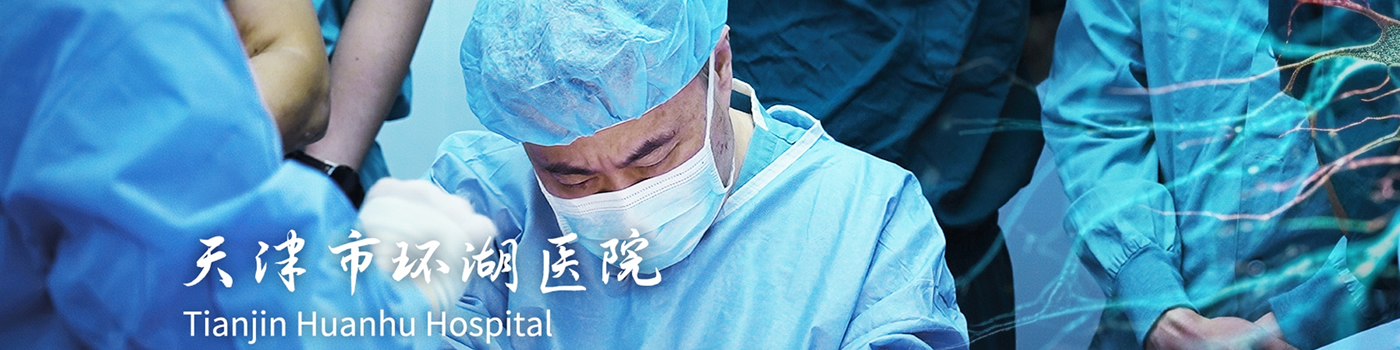
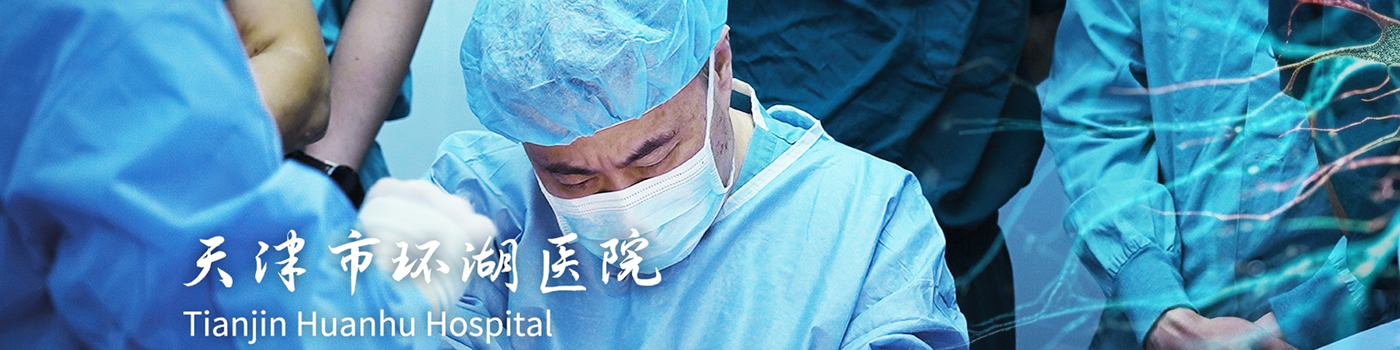
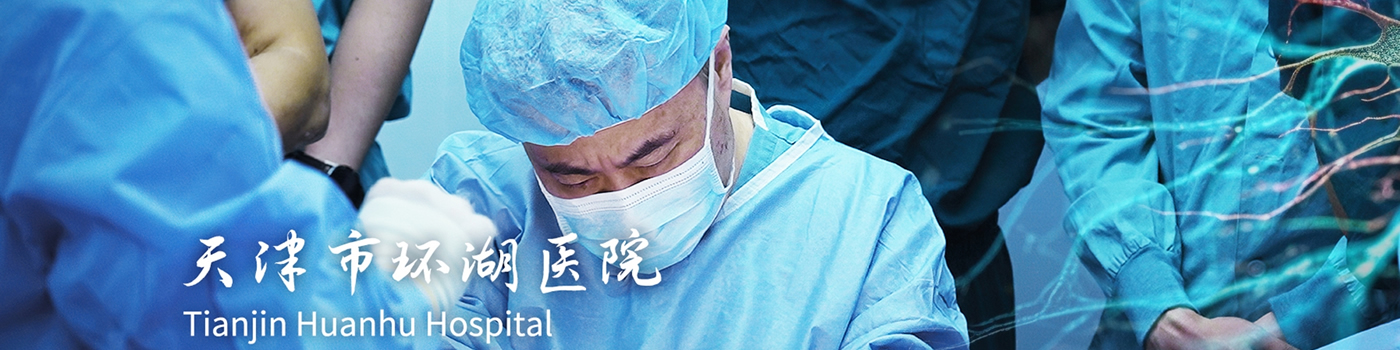

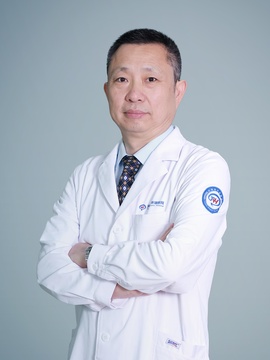
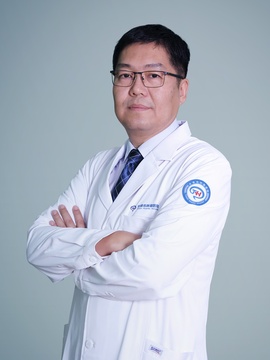
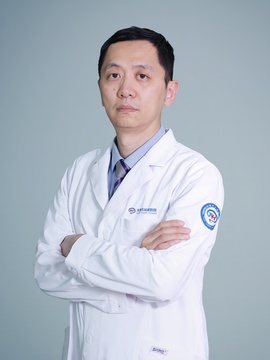
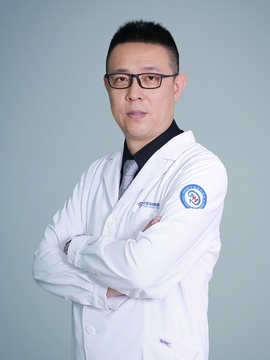

Functional Neurosurgery and Neurological Center
The functional neurological surgery in Huanhu Hospital of Tianjin City dates back to the 1980s. The program was founded by Professor Zhao Keming, the renowned neurosurgeon. Soon after the Hospital was established, it became one of the first centers in China to introduce video-electroencephalographic (EEG) monitoring. Stereotactic framework and radiofrequency system were subsequently introduced, enabling the Hospital to pioneer stereotactic functional neurosurgery, including radiofrequency lesioning for movement disorders such as Parkinson’s disease and essential tremor in China.
In 2010, the Hospital introduced two 64-channel video EEG systems, providing an important technological sporting for the development of epilepsy surgery. In 2013, it was among the early centers in China to perform deep brain stimulation (DBS) for movement disorders, marking a new stage in the use of intracranial neuromodulation for functional neurological diseases.
In recent years, the introduction of 128-channel and 256-channel EEG systems, together with neuroimaging, has further advanced the Hospital’s epilepsy surgery program. For patients with complex drug-resistant epilepsy, the Hospital has progressively implemented stereoelectroencephalography (SEEG) for intracranial evaluation and SEEG-guided radiofrequency thermocoagulation (SEEG-RFTC) as a minimally invasive treatment.
Substantial advances have also been made in the treatment of trigeminal neuralgia, hemifacial spasm, disorders of consciousness, cognitive impairment, obsessive-compulsive disorder, post-stroke motor dysfunction, and other neurological conditions requiring functional neurosurgical or neuromodulatory treatment.
Advanced Technology and Multidisciplinary Care
The Functional Neurosergery and Neurological Center is equipped with 64-channel, 128-channel, and 256-channel EEG monitoring system, sleep EEG monitoring system, transcranial magnetic stimulation system, Leksell stereotactic system, Medtronic neuronavigation system, intraoperative microelectrode recording system,and multichannel electromyography and evoked-potential monitoring systems.
The Center has made many progress through close multidisciplinary collaboration among related departments, including the department of neurology, neurosurgery, neurorehabilitation, neuroelectrophysiology, and neuroimaging. It provides a comprehensive range of neuroelectrophysiological monitoring, neuromodulation, stereotactic, and functional neurosurgical procedures, including:
long-term video EEG monitoring (VEEG);
stereoelectroencephalography with intracranial electrode implantation (SEEG);
surgical treatment of drug-resistant epilepsy;
deep brain stimulation (DBS);
vagus nerve stimulation (VNS);
spinal cord stimulation (SCS);
microvascular decompression (MVD);
transcranial magnetic stimulation (TMS);
surgical treatment of craniofacial pain;
neuromodulatory procedures to promote recovery of consciousness in patients with chronic disorders of consciousness;
neuromodulation for peripheral nerve disorders;
stereotactic aspiration and drainage of deep intracranial hematomas and abscesses; and
shunt surgery for normal-pressure hydrocephalus.
In recent years, the Center has also developed surgical treatment for post-stroke hemiplegia integrated with structured postoperative rehabilitation, providing a new therapeutic approach to improving motor function in selected patients with persistent post-stroke motor impairment.
With a broad spectrum of subspecialty expertise, the Center provides individualized surgical and neuromodulatory treatment options for a wide range of neurological disorders associated with impaired motor, sensory, cognitive, consciousness, and other neurological functions.
Research and Medicine–Engineering Collaboration
The Center maintains long-term research collaborations with leading universities, including Tianjin University, Nankai University, Hebei University of Technology, and Tianjin Normal University, with a particular focus on brain science and neural engineering.
These collaborations encompass neuroinformatics, physical medicine, rehabilitation engineering, neuromodulation, and related interdisciplinary fields. By integrating clinical neuroscience with engineering and emerging technologies, the Center has established a multidisciplinary medicine–engineering platform for the prediction, diagnosis, treatment, and rehabilitation of major neurological disorders, including epilepsy, Parkinson’s disease, chronic disorders of consciousness, cognitive impairment, and post-stroke neurological dysfunction.
This integration of clinical medicine, neuroscience, neurotechnology, and engineering has become one of the distinctive strengths of functional neuroscience at Huanhu Hospital of Tianjin City .
Major Conditions and Treatments
1. Movement Disorders
The Center provides deep brain stimulation (DBS) and transcranial magnetic stimulation (TMS) for movement disorders, including Parkinson’s disease, essential tremor, dystonia, Meige syndrome, spasmodic torticollis (cervical dystonia), chorea, Tourette syndrome and other movement disorders.
2. Drug-Resistant Epilepsy
Comprehensive evaluation and surgical treatment are provided for patients with drug-resistant epilepsy, including stereoelectroencephalography with intracranial electrode implantation (SEEG), resection of epileptogenic lesions or epileptogenic zones, disconnection procedures, vagus nerve stimulation (VNS), deep brain stimulation (DBS), and SEEG-guided radiofrequency thermocoagulation (SEEG-RFTC).
3. Cranial Nerve Disorders
The Center provides surgical treatment for trigeminal neuralgia, hemifacial spasm, and glossopharyngeal neuralgia, including microvascular decompression (MVD) and percutaneous balloon compression where clinically appropriate.
4. Cognitive Disorders
Transcranial magnetic stimulation (TMS) is provided as part of the therapeutic program for selected patients with cognitive disorders, including mild cognitive impairment and Alzheimer’s disease.
5. Chronic Disorders of Consciousness
The Center provides comprehensive neuromodulatory approaches for patients with chronic disorders of consciousness, including deep brain stimulation (DBS), spinal cord stimulation (SCS), transcranial magnetic stimulation (TMS), median nerve stimulation (MNS), and transcranial direct current stimulation (tDCS), with the aim of facilitating recovery of consciousness in appropriately selected patients.
6. Refractory Pain
Surgical and neuromodulatory treatment is available for selected patients with refractory pain conditions, including postherpetic neuralgia, phantom limb pain, residual limb pain, central post-stroke pain (including thalamic pain), cancer-related pain, and peripheral nerve pain involving spinal or cranial nerves.
7. Peripheral Nerve Disorders
Treatment options include peripheral nerve decompression for selected patients with diabetic neuropathy and diabetic foot-related neuropathic conditions, spinal cord stimulation (SCS), radiofrequency procedures, and other neuromodulatory interventions.
8. Neuropsychiatric Disorders
The Center provides neuromodulatory treatment for selected neuropsychiatric disorders, including depression, obsessive-compulsive disorder, using TMS and, in carefully selected cases, DBS.
9. Other Stereotactic and Functional Neurosurgical Procedures
The Center performs a range of additional stereotactic procedures, including stereotactic biopsy and stereotactic aspiration and drainage of intracranial hematomas and abscesses.
10. Surgery for Post-Stroke Hemiplegia
For selected patients with persistent post-stroke hemiplegia, the Center provides surgical treatment integrated with individualized postoperative rehabilitation, with the goal of improving motor function, mobility, and functional independence.