



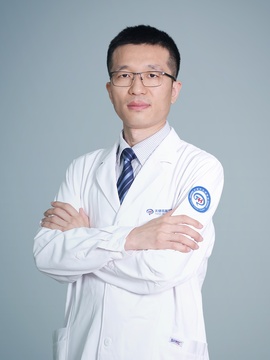
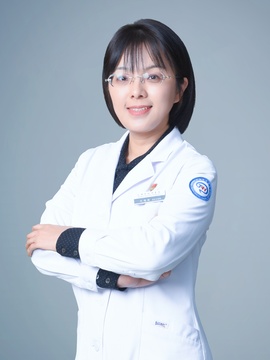

Neurological Rehabilitation Programme
The Neurological Rehabilitation Programme at Tianjin Huanhu Hospital has evolved from the Department of Neurological Rehabilitation, established in 2012, and has developed extensive clinical expertise over more than a decade. With early neurological rehabilitation, intensive rehabilitation, and intelligent precision rehabilitation as its core areas of expertise, the programme has established a comprehensive system for the standardized assessment, treatment, and long-term management of functional impairments caused by neurological disorders.
Integrating neurology, neurosurgery, rehabilitation medicine, specialized nursing, artificial intelligence, and medical–engineering technologies, the programme is committed to providing individualized, evidence-based, and full-course rehabilitation services, from the acute stage of neurological disease through functional recovery and long-term management.
Specialist Strengths: Advanced Technology and Intelligent Rehabilitation
The programme is equipped with a comprehensive range of advanced rehabilitation technologies, including gait analysis systems, balance assessment systems, MOTOmed intelligent exercise systems, and brain–computer interface-assisted hand rehabilitation devices.
By integrating objective functional assessment with intelligent rehabilitation technologies, the team is able to quantitatively evaluate motor function, gait, balance, and other functional domains and develop precise and individualized rehabilitation programmes according to each patient’s neurological deficits, functional status, and stage of recovery.
Three Core Areas of Expertise
1. Early and Precision Rehabilitation for Cerebrovascular Diseases
The programme provides specialized rehabilitation for patients with ischemic stroke, hemorrhagic stroke, and cerebrovascular diseases requiring surgical treatment, emphasizing early intervention and standardized rehabilitation throughout the recovery process.
Through the integration of artificial intelligence-assisted assessment, quantitative functional evaluation, and medical–engineering technologies, the rehabilitation team conducts comprehensive assessments of neurological and functional impairment and develops individualized rehabilitation strategies.
Working closely with neurology and neurosurgery, the team provides multidisciplinary perioperative and post-acute rehabilitation management, facilitating early mobilization, functional recovery, prevention of complications, and restoration of independence in activities of daily living.
This integrated approach establishes a continuous rehabilitation pathway extending from acute treatment and perioperative care to functional recovery and long-term rehabilitation.
2. Comprehensive Rehabilitation for Parkinson’s Disease and Movement Disorders
A dedicated Parkinson’s Disease Rehabilitation Clinic has been established to provide comprehensive rehabilitation and long-term management for patients with Parkinson’s disease and other movement disorders.
The programme adopts a multidisciplinary, one-stop care model integrating pharmacological treatment, intelligent rehabilitation, functional neurosurgery, specialized nursing, and long-term follow-up. Through coordinated multidisciplinary care, patients can receive comprehensive assessment and individualized treatment planning within an integrated clinical pathway, minimizing the need for repeated visits to multiple departments.
Rehabilitation focuses on major functional impairments associated with Parkinson’s disease, including gait dysfunction, postural instability, balance impairment, freezing of gait, reduced mobility, and limitations in activities of daily living. Individualized rehabilitation programmes are continuously adjusted according to disease progression and functional status, supporting standardized and long-term disease management.
3. Integrated Diagnosis, Treatment, and Rehabilitation of Vertigo
In collaboration with relevant multidisciplinary teams, the programme participates in the development of an integrated Vertigo Center, with particular emphasis on the early recognition and management of central vertigo and potentially high-risk causes of acute dizziness and vertigo.
The Center provides an integrated clinical pathway encompassing specialized assessment, etiological diagnosis, individualized treatment, vestibular rehabilitation, and longitudinal follow-up.
For patients with persistent or recurrent dizziness, vertigo, imbalance, and vestibular dysfunction, individualized vestibular rehabilitation programmes are developed according to the underlying etiology and functional deficits, with the goals of improving postural stability, enhancing vestibular compensation, reducing functional limitations, and promoting recovery of daily activities.
Comprehensive and Full-Course Neurological Rehabilitation
Building upon more than a decade of clinical development, the Neurological Rehabilitation Programme has established an integrated rehabilitation model characterized by early intervention, multidisciplinary collaboration, quantitative assessment, intelligent technologies, and individualized treatment.
Through the integration of clinical neuroscience, rehabilitation medicine, artificial intelligence, brain–computer interface technologies, medical engineering, and specialized nursing, the programme provides comprehensive rehabilitation services for patients with cerebrovascular diseases, movement disorders, vertigo, and other neurological conditions.
The programme remains committed to advancing early, precise, intelligent, and individualized neurological rehabilitation, helping patients maximize functional recovery, improve independence in daily living, and enhance long-term quality of life.