
( Part 2 )The Future Is Here! The Inaugural Brain–Computer Interface Future Industry Conference Opens in Tianjin
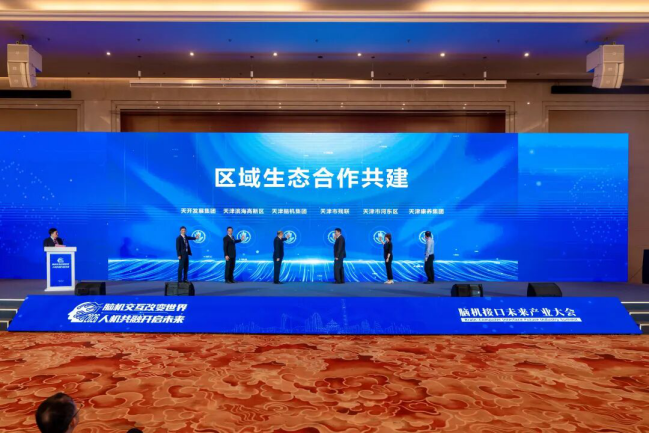
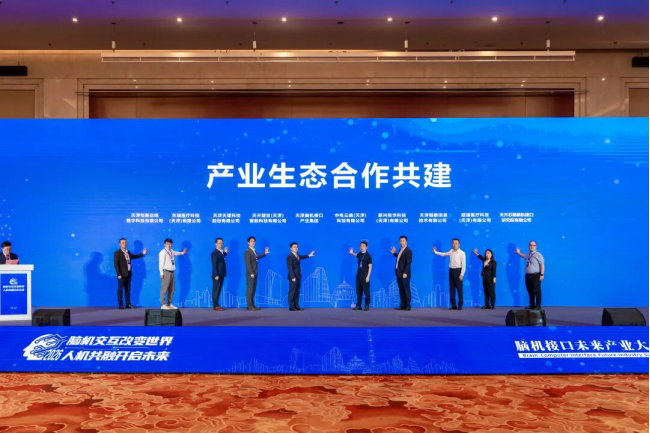
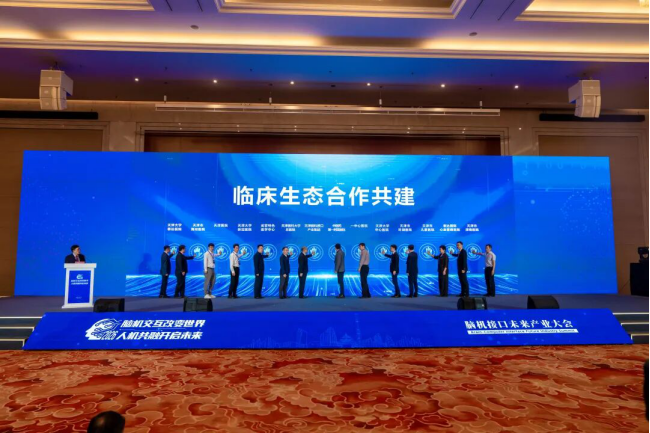
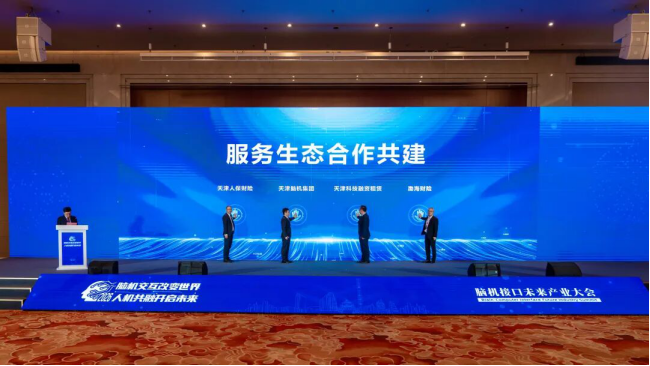
The conference also featured an ecosystem partnership signing ceremony. During the ceremony, Tianjin Brain-Computer Interface Industry Group entered into partnerships with the Tianjin Disabled Persons’ Federation, Tianjin Binhai High-tech Industrial Development Area, Hedong District, Tiankai Group, Tianjin Healthcare and Elderly Care Group, and other organizations to jointly develop a regional ecosystem; with nine enterprises, including China Electronics CloudBrain and Tiankai Suishi, to establish an industrial ecosystem; with 13 hospitals, including Tianjin Huanhu Hospital, Tianjin University Central Hospital, Tianjin First Central Hospital, Tianjin Medical University General Hospital, the First Teaching Hospital of Tianjin University of Traditional Chinese Medicine, Tianjin Hospital of Tianjin University, and Tianjin University Children's Hospital, to build a clinical ecosystem; and with Tianjin Technology Financial Leasing, PICC Property and Casualty Tianjin Branch, Bohai Property Insurance, and other institutions to develop a supporting services ecosystem. These partnerships aim to advance breakthroughs in key core brain-computer interface technologies, accelerate the translation and commercialization of innovative research outcomes, and promote the high-quality development of the industry across the entire value chain.
The conference also unveiled several major breakthroughs in the field of brain-computer interfaces.
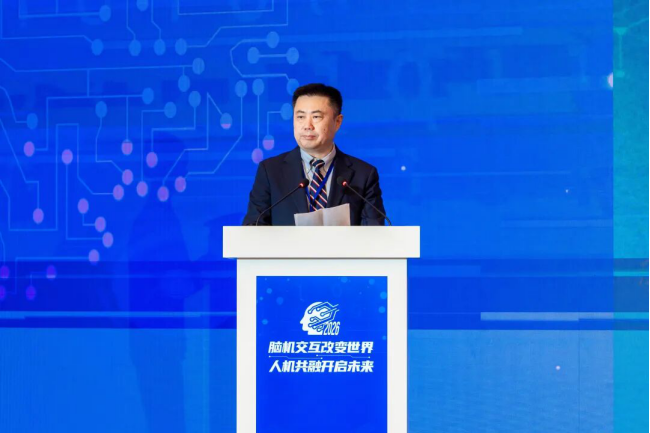
Tong Xiaoguang, President of Tianjin Huanhu Hospital, unveiled “Shengong–Shenchi,” the world's first high-performance integrated brain–machine–spinal cord–body neuromodulation rehabilitation system. The system was jointly developed and translated into clinical application through collaboration among six institutions: the Haihe Laboratory of Brain-Computer Interaction and Human-Machine Integration, the National Engineering Research Center for Neuromodulation, Tianjin Huanhu Hospital, Suishi Intelligence, PINS Medical, and Tianjin Brain-Computer Interface Industry Group. Targeting three levels of the nervous system—the brain, spinal cord, and peripheral nerves—the system integrates non-invasive and invasive technologies to establish a comprehensive closed-loop rehabilitation framework. The clinical research project for this innovative system was also officially launched at the conference, marking a new chapter in integrated brain–machine–spinal cord–body neuromodulation for the laboratory's “Shengong” series of innovative brain-computer interface medical devices.
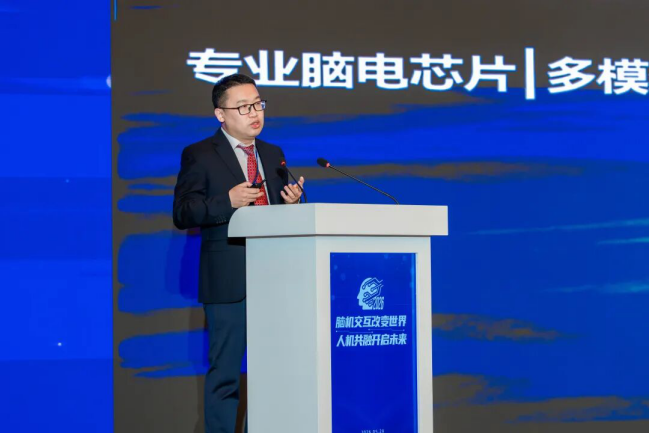
Cheng Longlong, Deputy Director of the Laboratory and General Manager of China Electronics CloudBrain (Tianjin) Technology Co., Ltd., a core enterprise of the Laboratory, unveiled the “Shengong–Xiyi” Sleep Brain-Computer Interface Headband. The device enables comprehensive and precise assessment of sleep quality through five-dimensional monitoring of electroencephalographic (EEG) signals, heart rate, blood oxygen saturation, body movements, and snoring. By combining sleep-promoting music with cranial electrotherapy stimulation (CES), it offers a non-invasive, painless approach to facilitating natural sleep onset. In addition, the device automatically generates visualized sleep reports, which can be interpreted using an integrated AI large language model to develop personalized sleep improvement plans, providing a scientific basis for better sleep.
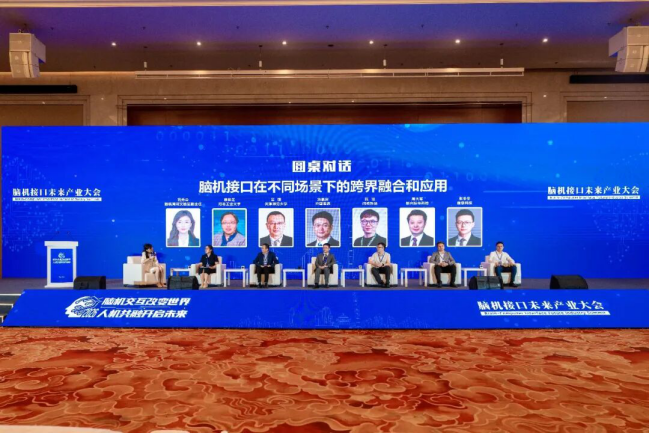
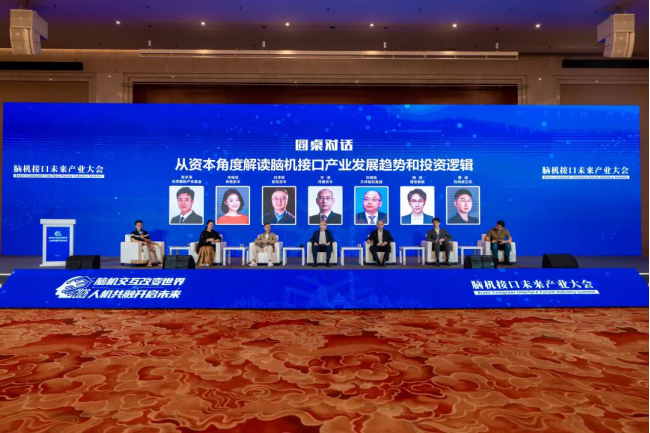
The conference also featured a series of roundtable discussions focusing on the cross-sector integration and application of brain-computer interface technologies across diverse scenarios, as well as industry development trends and investment strategies from a capital market perspective.
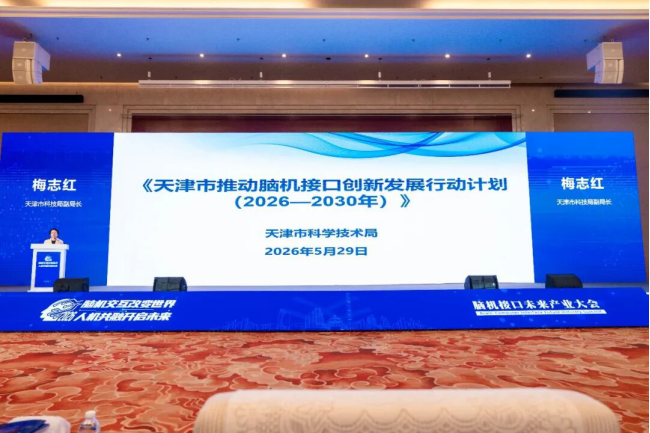
At the conference, the Tianjin Municipal Science and Technology Bureau released the Tianjin Action Plan for Promoting Innovation and Development in Brain-Computer Interfaces (2026–2030). The Action Plan outlines 20 priority tasks across five key areas: advancing science and technology innovation, strengthening platform infrastructure, facilitating product market entry and promotion, demonstrating real-world applications, and enhancing the industrial ecosystem. Covering the critical stages of brain-computer interface development—from research and development to technology transfer, practical application, and industrialization—the plan aims to establish a comprehensive, coordinated policy support framework spanning the entire innovation and industrial value chain. Representatives from the Tianjin Municipal Science and Technology Bureau and the Tianjin Municipal Medical Products Administration provided detailed interpretations of the Action Plan and the regulatory policies governing the registration and approval of brain-computer interface medical devices, respectively. In addition, several companies, including Dongnao Medical, Shengong Diting, Xiangyu Medical, and OYMotion, unveiled their latest brain-computer interface products.
From isolated technological breakthroughs to coordinated development across the entire industrial value chain, a thriving brain-computer interface industry hub—distinguished by technological leadership, a comprehensive industrial chain, and a robust innovation ecosystem—is rapidly taking shape on the shores of the Bohai Sea.
“For brain-computer interface technologies to move beyond the laboratory and into industrial production and clinical practice, close integration among the innovation, financing, talent, and industrial chains is essential,” said Ming Dong, Vice President of Tianjin University and Director of the Haihe Laboratory of Brain-Computer Interaction and Human-Machine Integration. “With the policy support provided by the Action Plan, we will continue to strengthen collaboration with the Tianjin Binhai High-tech Industrial Development Area and advance the development of the Tianjin Brain-Computer Interface Industry Cluster. I firmly believe that Tianjin’s brain-computer interface industry not only has a solid foundation for development but also holds tremendous potential for future growth. A new blueprint for the high-quality development of this industry is now taking shape in Tianjin.”