(Part 1)The 2026 Tianjin Huanhu Hospital Neurospine Surgery Academic Conference and the 7th Huanhu “Advancing Together, Shaping the Future of Spine Surgery” Conference Successfully Held
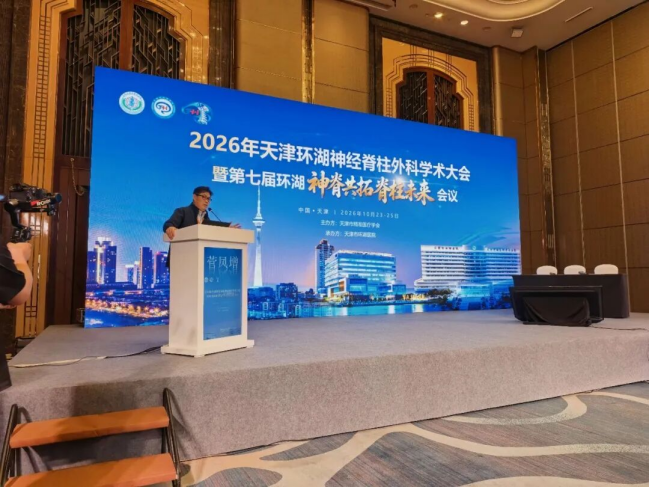
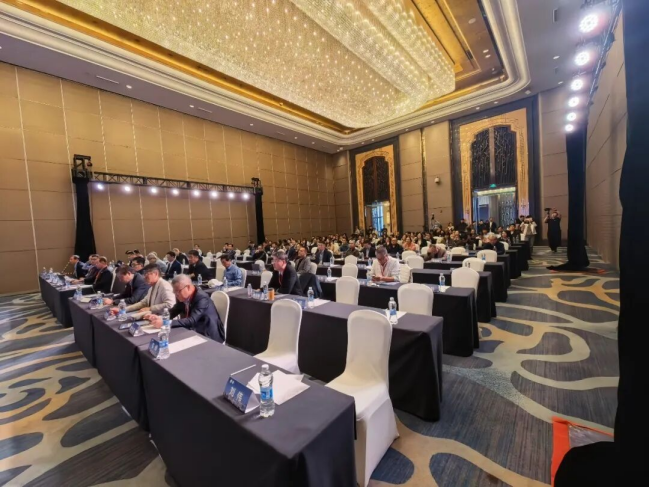
From October 23 to 25, 2026, the 2026 Tianjin Huanhu Hospital Neurospine Surgery Academic Conference and the 7th Huanhu “Advancing Together, Shaping the Future of Spine Surgery” Academic Conference was successfully held. Organized by the Tianjin Society for Precision Medicine and hosted by Tianjin Huanhu Hospital, the conference centered on the theme of “Advancing Microsurgical and Minimally Invasive Techniques, Strengthening Biomechanical Foundations, and Enhancing Precision Diagnosis and Treatment.” Bringing together leading experts and medical professionals from China and abroad, the event attracted more than 200 participants and served as a high-level academic platform for interdisciplinary exchange, in-depth discussions, and the latest developments in neurospine surgery in China.
The Department of Neurospine Surgery at Tianjin Huanhu Hospital is an independent clinical department dedicated to the interdisciplinary integration of neurosurgery and spine surgery. Traditionally, spine surgery has focused on spinal biomechanical reconstruction and the restoration of bony stability, while neurosurgery has specialized in microsurgical anatomy, spinal cord and nerve protection, and precise minimally invasive techniques. Guided by the integrated approach of “Neurosurgical Microsurgical Techniques + Spinal Biomechanical Reconstruction,” the department is committed to combining the strengths of both specialties to develop standardized and individualized diagnostic and treatment strategies for complex spinal and spinal cord disorders. These efforts aim to enhance the overall capacity for managing challenging spinal and spinal cord conditions in Tianjin and the broader North China region, promote consistent standards of medical care across the region, and establish a sustainable, internationally oriented platform for academic exchange and professional training, thereby advancing the development of neurospine surgery throughout North China.
The conference featured a comprehensive program encompassing educational workshops, keynote presentations, multiple thematic forums, satellite symposia, specialized nursing sessions, and live surgical demonstrations. By integrating education, research, clinical practice, and nursing, the event fostered multidisciplinary collaboration, effectively bridging theoretical knowledge with hands-on practice while promoting the integration of technical innovation and patient-centered care.
01 | Plenary Session: Leading Experts Gather to Share Global Insights and Explore the Future
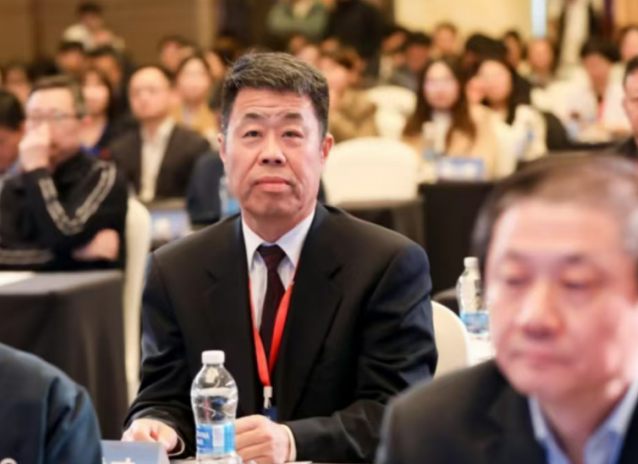
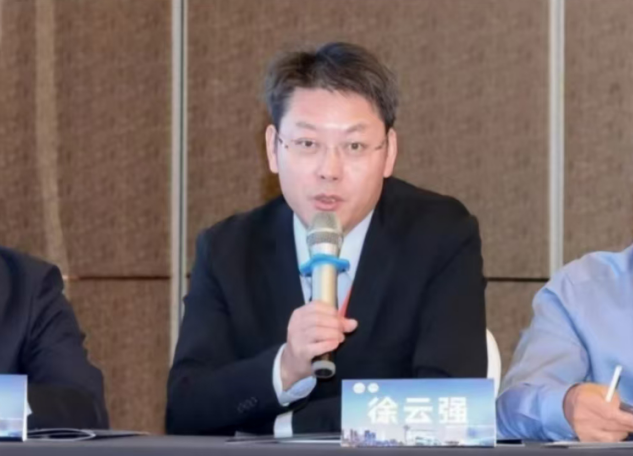
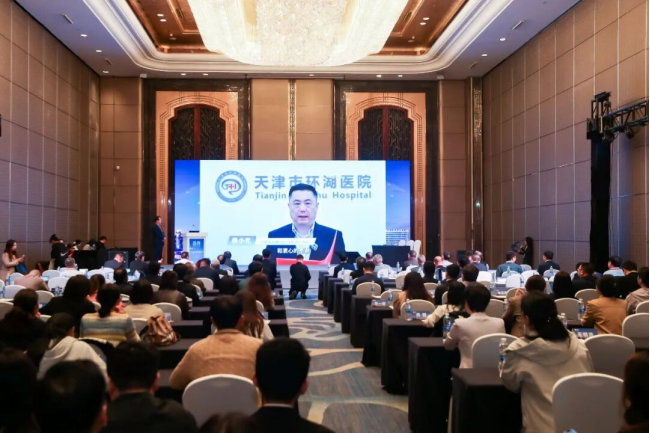
On the morning of October 24, the conference's plenary session officially commenced, bringing together more than 200 medical professionals and experts to witness the opening of this prestigious academic event. Professor Tong Xiaoguang, Secretary of the Party Committee and President of Tianjin Huanhu Hospital; Professor Jian Fengzeng of Xuanwu Hospital, Capital Medical University; and Professor Che Xiaoming of Huashan Hospital, Fudan University, delivered opening addresses. Drawing on the current development of neurospine surgery in China, the distinguished speakers provided insightful analyses of the key challenges facing the specialty and its future directions. They also highly commended the conference's commitment to interdisciplinary integration and collaboration.
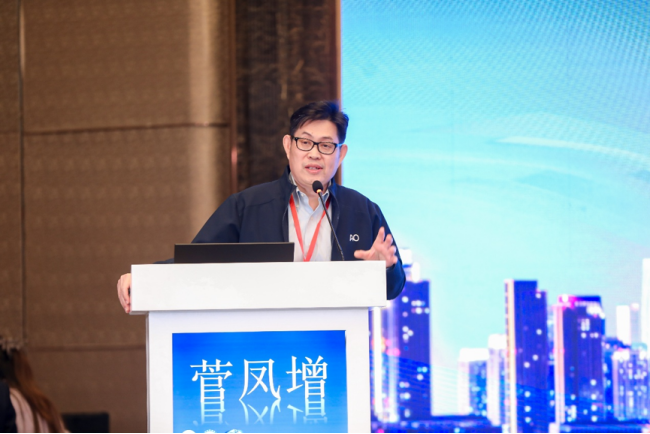
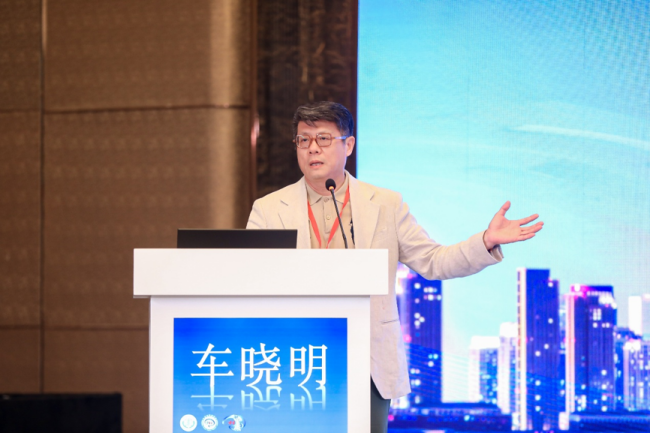
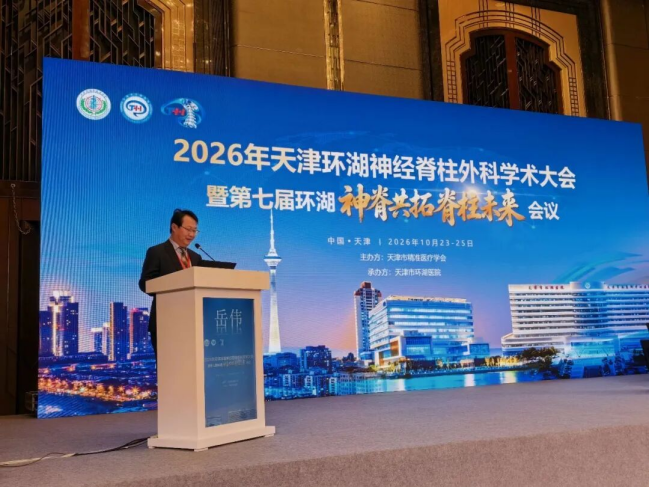
The opening ceremony was moderated by Professor Yue Wei, Vice President of Tianjin Huanhu Hospital.
The conference brought together distinguished experts from China and abroad, featuring an impressive lineup of internationally renowned specialists. Among the invited international speakers were Professor Yi Yuen Wang from St. Vincent’s Private Hospital, Australia, Professor Yoon Ha and Professor Su Cheol Kim from Severance Hospital, Yonsei University, South Korea. These distinguished experts shared cutting-edge clinical perspectives and extensive surgical experience, providing valuable insights into the latest advances in neurospine surgery. Their participation further strengthened international academic exchange and collaboration, fostering mutual learning and closer ties between Chinese and international specialists in the field.
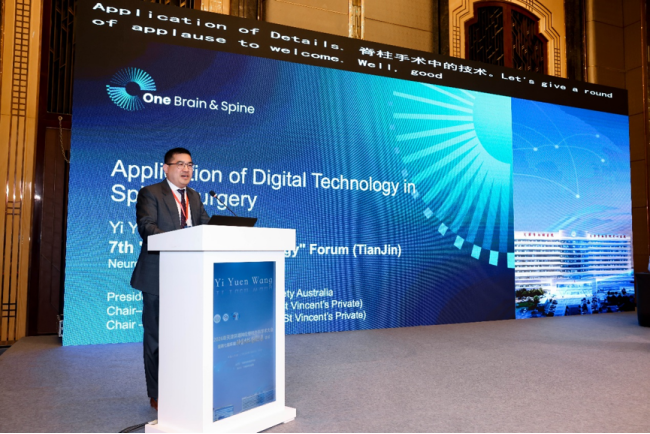
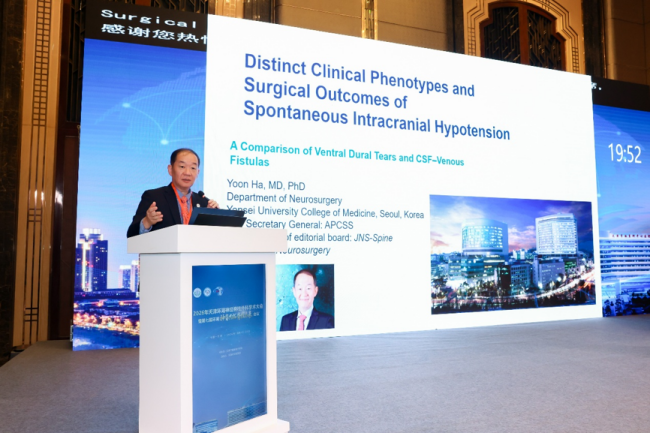
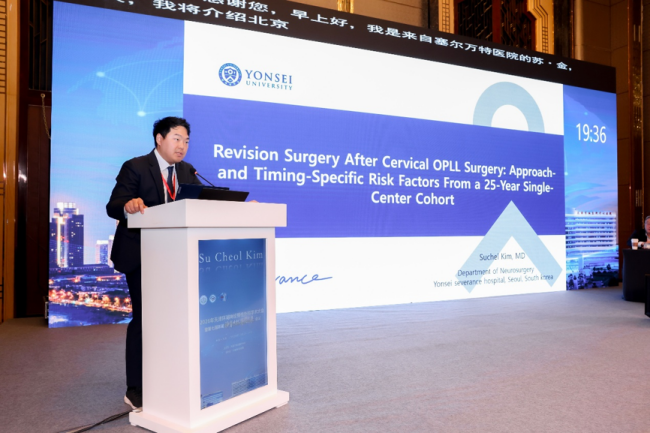
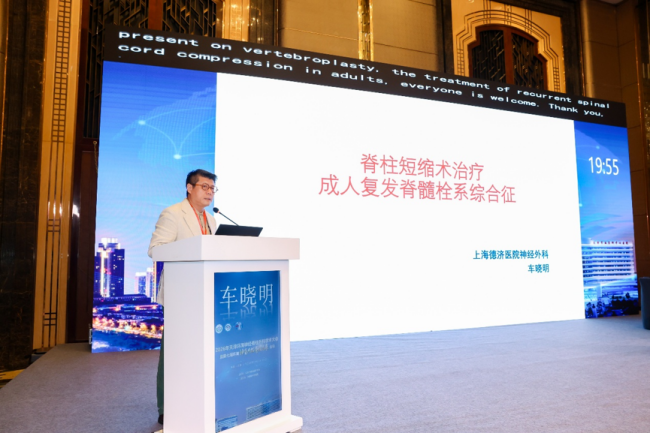
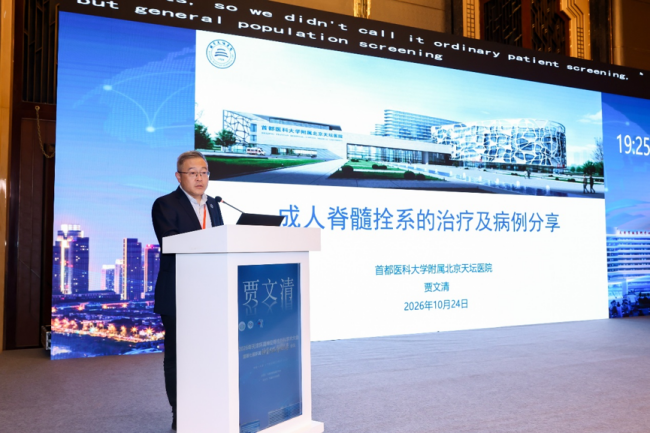
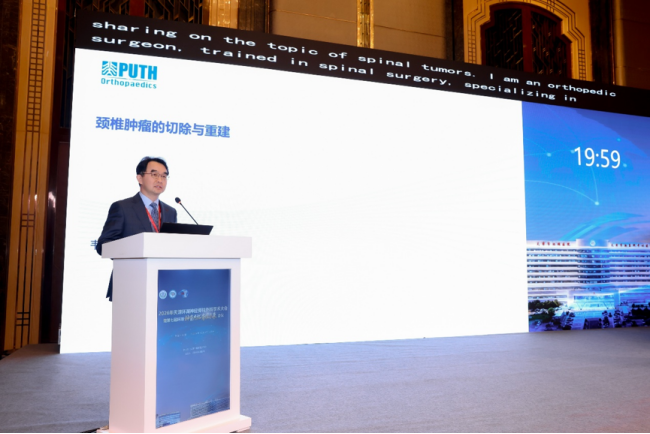
Professor Jian Fengzeng of Xuanwu Hospital, Capital Medical University, provided a comprehensive overview of the development of neurospine surgery in China, highlighting emerging trends and the clinical significance of the growing adoption of endoscopic techniques for degenerative spinal disorders. Professor Che Xiaoming of Huashan Hospital, Fudan University, shared valuable clinical experience in vertebral column shortening osteotomy for recurrent tethered cord syndrome in adults, offering insights into addressing the challenges of traction-related neurological injury. Professor Jia Wenqing of Beijing Tiantan Hospital, Capital Medical University, presented an in-depth discussion of key considerations in clinical decision-making for adult tethered cord syndrome. Professor Wei Feng of Peking University Third Hospital focused on cervical spine tumors, exploring the complex balance between tumor resection, neurological preservation, and spinal reconstruction.
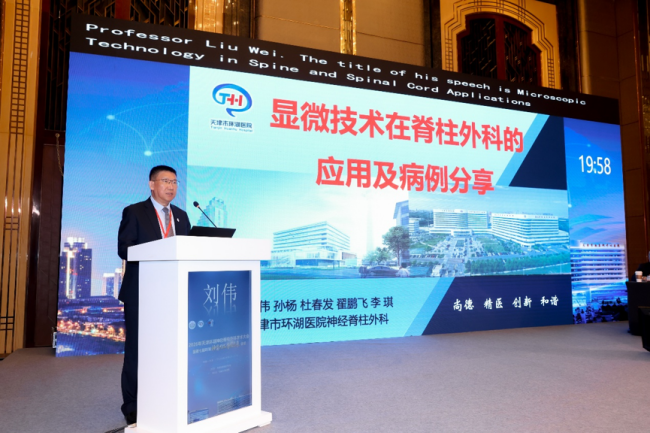
Professor Liu Wei of Tianjin Huanhu Hospital delivered a presentation on the application of microsurgical techniques in spinal and spinal cord surgery, accompanied by clinical case discussions. Drawing on extensive experience with challenging and complex cases managed by the department, he illustrated an integrated treatment approach that combines meticulous microsurgical neural protection with spinal biomechanical reconstruction, demonstrating the department's strong clinical expertise, technical capabilities, and established foundation in neurospine surgery.
The keynote session fostered dynamic academic discussions and meaningful exchanges of ideas, combining international perspectives on cutting-edge advances with practical insights from clinical experience in China. Together, these presentations provided valuable guidance and a forward-looking vision for the future development of neurospine surgery.
Plenary Session Moderators