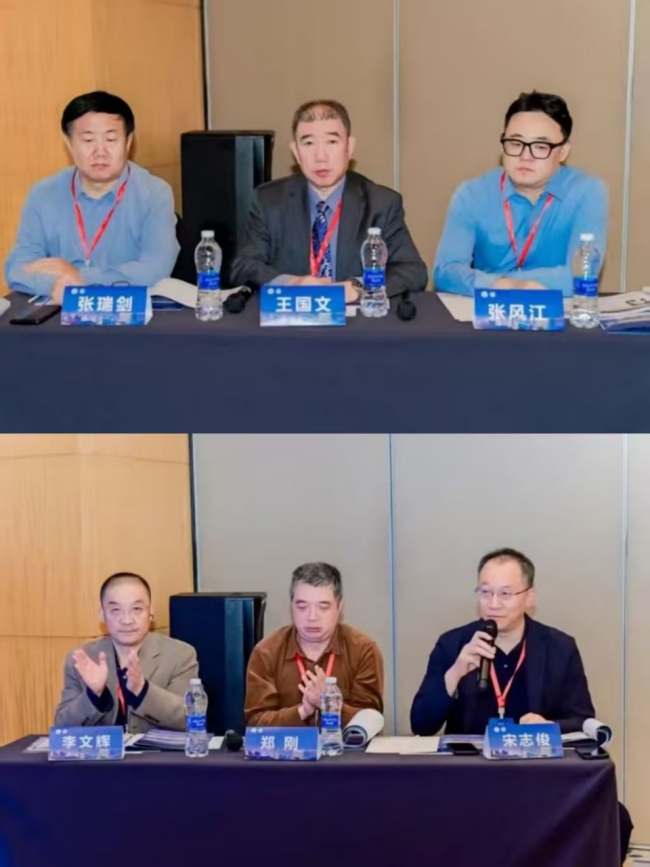
(Part 2)The 2026 Tianjin Huanhu Hospital Neurospine Surgery Academic Conference and the 7th Huanhu “Advancing Together, Shaping the Future of Spine Surgery” Conference Successfully Held
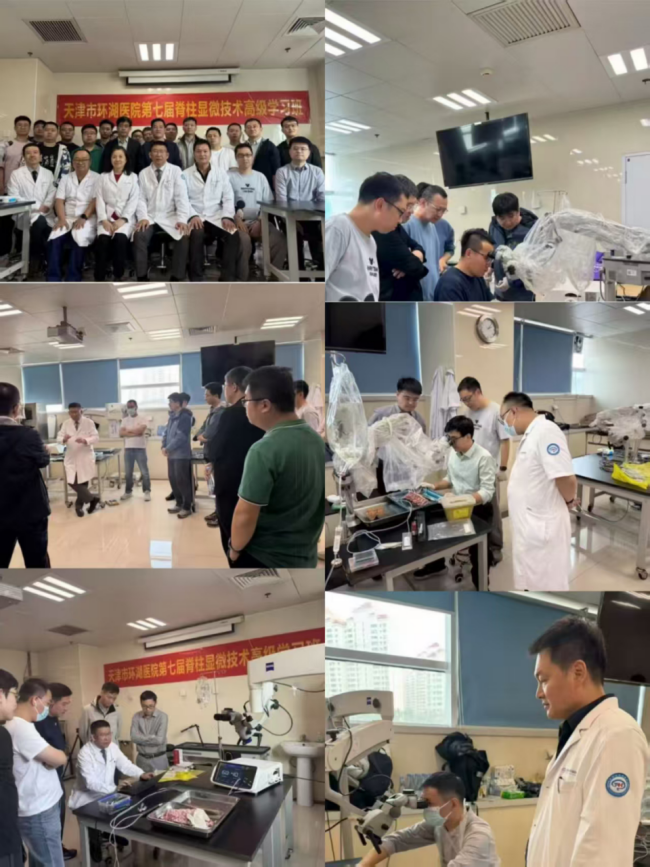
02 | Refining Microsurgical Expertise — Advanced Training Course in Microsurgical Techniques for Spine and Spinal Cord Surgery
On October 23, the conference commenced with a dedicated training session on microsurgical techniques for spine and spinal cord surgery. Leveraging the high-quality educational resources of the Stroke Academy at Tianjin Huanhu Hospital, the advanced course brought together selected promising young physicians from across China for intensive, hands-on surgical training. Led by Professor Liu Wei and a team of experienced specialists from the department, the faculty adopted an educational philosophy emphasizing the integration of theory and practice, technical skill development, and critical thinking. The course featured a comprehensive, multidimensional training model combining focused theoretical lectures, anatomical specimen demonstrations, hands-on surgical exercises, and individualized one-on-one instruction, providing participants with systematic and highly practical microsurgical training.
The faculty generously shared their extensive experience and practical expertise accumulated over years of microsurgical practice, guiding participants from comprehensive surgical planning to the finest details of microsurgical anatomy. The training systematically addressed essential aspects of spine and spinal cord microsurgery, including surgical approach selection, refined microsurgical techniques, meticulous preservation of the spinal cord and nerve roots, intraoperative risk assessment, and emergency management strategies. Throughout the sessions, instructors provided detailed guidance on anatomical landmarks, instrument handling, and the subtle technical nuances of each surgical maneuver.
The participating young physicians engaged in intensive, immersive hands-on training, gaining firsthand appreciation of the exceptional precision required in microsurgery, where even the slightest deviation can significantly affect surgical outcomes. The course reinforced an integrated clinical philosophy that places equal emphasis on neurological protection and spinal biomechanical stability. By cultivating the next generation of skilled neurospine surgeons, the program contributed to the advancement of neurospine surgery across China while promoting the transmission of surgical expertise, professional mentorship, and the continued development of the specialty.
03 | Five Parallel Thematic Forums: Advancing Subspecialty Expertise and Addressing Complex Clinical Challenges
On the afternoon of October 24, five parallel thematic forums commenced simultaneously.
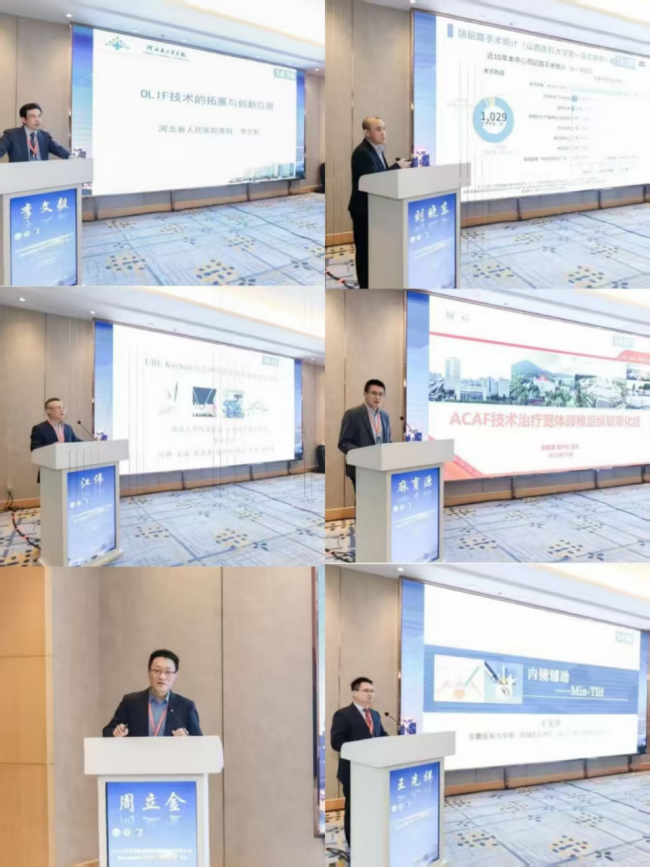
The Degenerative Spine and Spinal Cord Disorders Forum focused on cervical and lumbar degenerative diseases, among the most prevalent conditions encountered in clinical spine practice. The session brought together leading Chinese experts in minimally invasive spine surgery, including Professor Xu Baoshan of Tianjin Hospital, Professor Li Meihua of the First Affiliated Hospital of Nanchang University, Professor Zhang Wei of the Third Hospital of Hebei Medical University, and Professor Yu Yong of Zhongshan Hospital, Fudan University.
Presentations covered a wide range of contemporary surgical techniques and clinical topics, including risk prevention and management in pincer-type cervical spondylotic myelopathy, unilateral biportal endoscopic (UBE) spine surgery, modified oblique lumbar interbody fusion (OLIF) techniques, comparative clinical outcomes of endoscopic transforaminal lumbar interbody fusion (Endo-TLIF) and minimally invasive transforaminal lumbar interbody fusion (MIS-TLIF), and modified anterior controllable antedisplacement and fusion (ACAF) techniques for extensive ossification of the posterior longitudinal ligament (OPLL).
Drawing on extensive surgical experience and representative clinical cases, the experts critically examined the indications, technical refinements, and complication prevention strategies associated with different minimally invasive procedures. Specialists from Beijing, Tianjin, Hebei, and other regions engaged in lively discussions on challenging clinical cases, sharing diverse perspectives and practical insights. The forum provided valuable, clinically applicable guidance for advancing standardized minimally invasive treatment of degenerative spinal disorders.
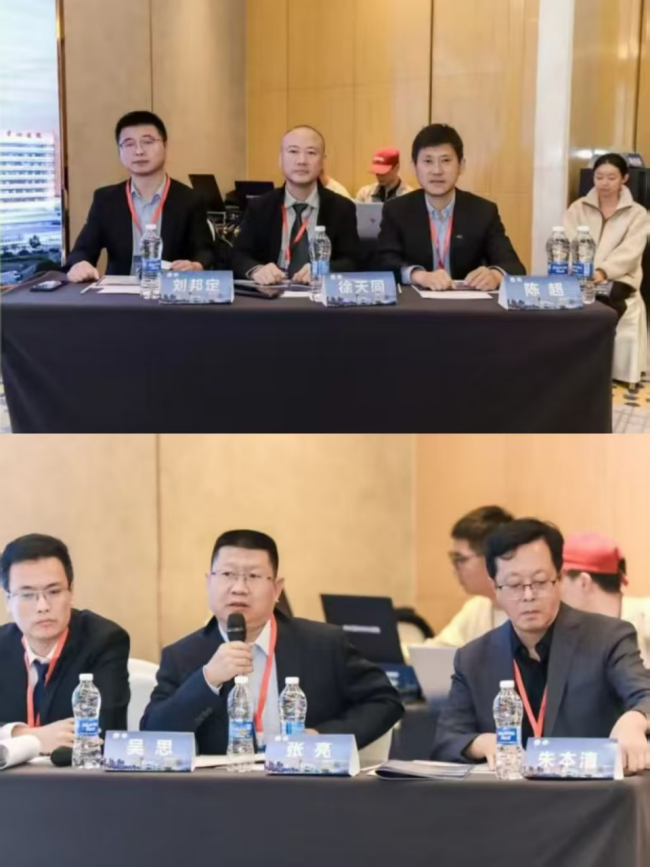
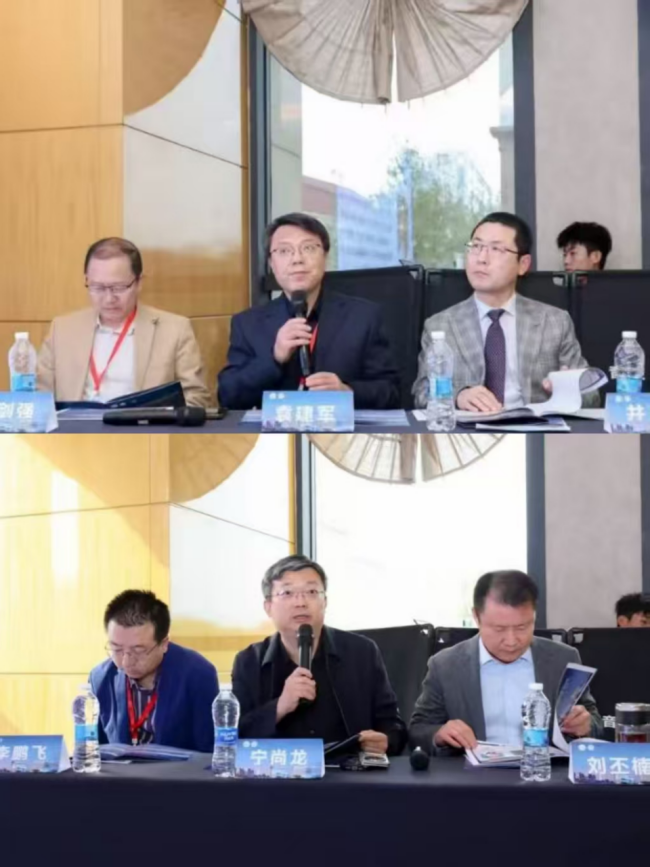
Session Moderators
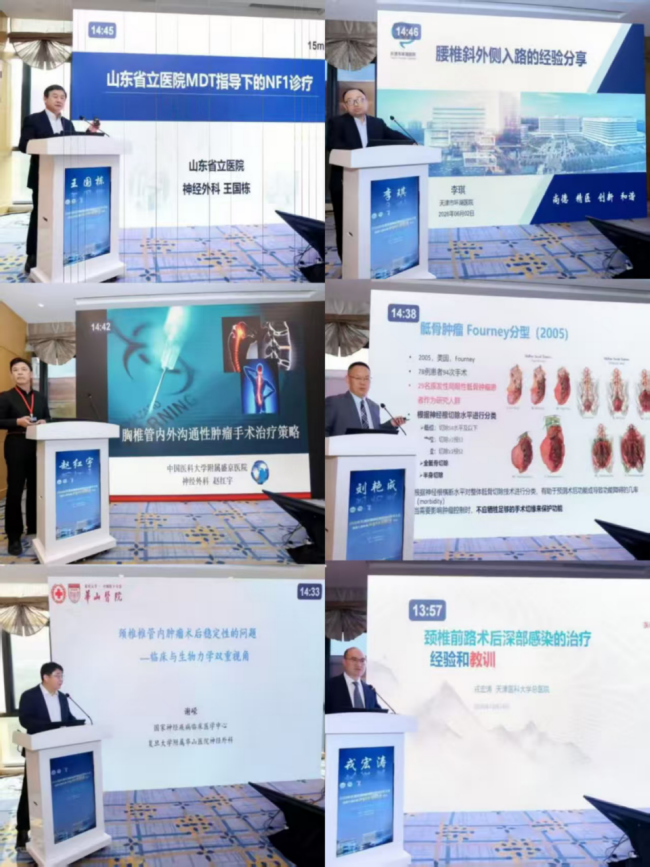
The Spinal Tumor Diagnosis and Treatment Forum focused on the challenging field of spinal and spinal cord tumors, where complex anatomy, substantial surgical risks, and demanding treatment decisions present significant clinical challenges. The session brought together leading Chinese experts in spinal oncology, including Professor Fan Tao of Sanbo Brain Hospital, Capital Medical University; Professor Xie Rong of Huashan Hospital, Fudan University; Professor Wang Bo of Beijing Tiantan Hospital, Capital Medical University; and Professor Wang Guodong of Shandong Provincial Hospital.
Presentations addressed a broad range of complex clinical topics, including comprehensive surgical management of spinal cord tumors associated with spinal deformities, preservation of spinal stability following intraspinal tumor resection, multidisciplinary approaches to neurofibromatosis based on the Tiantan model and clinical experience from Shandong, surgical strategies for thoracic dumbbell-shaped tumors extending across the spinal canal, microsurgical resection of spinal cord ependymomas, sacral tumor resection and reconstruction, and management of deep postoperative infections following anterior cervical spine surgery.
Moving beyond the conventional focus on tumor resection alone, the forum emphasized a comprehensive approach encompassing maximal safe tumor removal, spinal cord and nerve preservation, spinal biomechanical reconstruction, prevention and management of postoperative infections, and enhanced recovery after surgery (ERAS). The discussions highlighted the essential role of multidisciplinary team (MDT) collaboration in managing complex spinal tumors and contributed valuable insights toward further improving standardized diagnostic and treatment strategies for spinal oncology in China.
Session Moderators
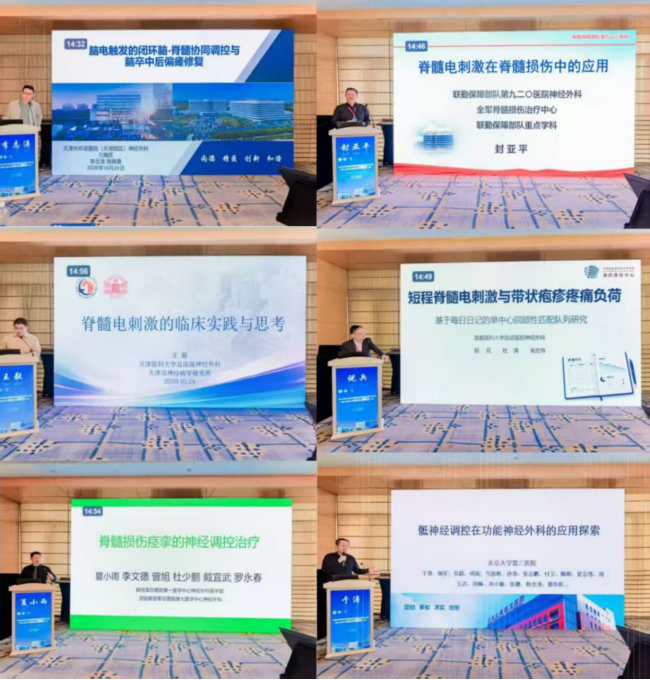
The Brain–Computer Interface and Spinal Cord Stimulation Forum showcased the transformative potential of emerging technologies and stood out as one of the conference’s most forward-looking sessions. The forum featured leading Chinese experts in functional neurosurgery, including Professor Wang Guihuai of Beijing Tsinghua Changgung Hospital, Tsinghua University; Professor Zhu Hongwei of Xuanwu Hospital, Capital Medical University; Professor Yu Tao of Peking University Third Hospital; and Professor Feng Yaping of the 920th Hospital of the Joint Logistics Support Force of the Chinese People's Liberation Army.
Moving beyond conventional surgical resection, the forum shifted its focus toward neurological restoration and functional recovery. In-depth discussions explored cutting-edge topics, including future developments in brain–spine interfaces, spinal cord stimulation for managing spasticity following stroke and spinal cord injury, clinical applications of sacral neuromodulation, and electrical stimulation therapies for herpes zoster-related neuralgia.
The session highlighted a significant evolution in neurospine surgery, from “restoring anatomical structures” to “reconstructing neurological function.” By integrating advances in brain–computer interfaces, neuromodulation, and neurorehabilitation, the forum offered promising new therapeutic perspectives for challenging conditions such as spinal cord injury, post-stroke neurological deficits, and refractory pain, underscoring the expanding role of neurotechnology in the future of neurospine surgery.
Session Moderators