
(Part 2)【Grand Opening】Integrating Cutting-Edge Technologies, Exploring New Frontiers in Skull Base Surgery — the 3rd Huanhu Skull Base Surgery Conference
03 Cavernous Sinus Session
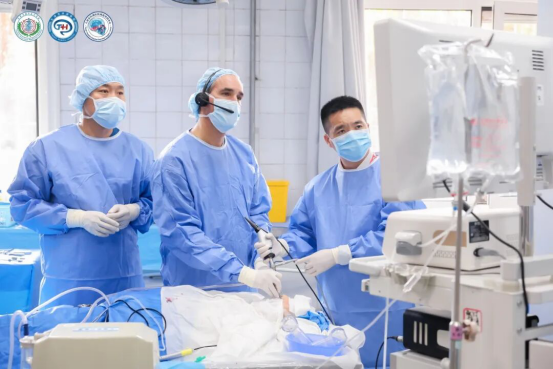
Led by Professor Juan Fernandez-Miranda and Professor Sun Xicai, the session featured an in-depth exploration of “Cavernous Sinus Anatomy via the Endoscopic Endonasal Transpterygoid Approach.” Through detailed anatomical demonstrations, the professors illustrated the intricate anatomy of the cavernous sinus via the transpterygoid approach, highlighting the complex spatial relationships between cranial nerves and vascular structures under endoscopic visualization. Their presentations provided a comprehensive anatomical foundation for the endoscopic endonasal surgical management of tumors involving the cavernous sinus.
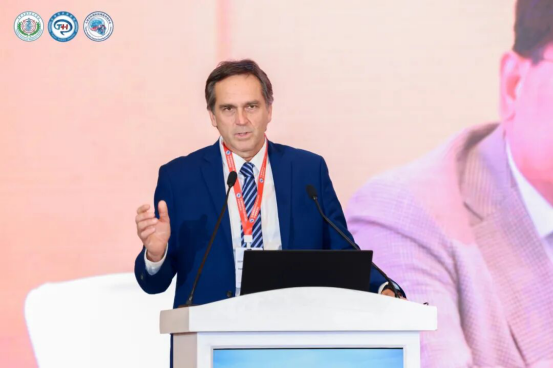
Professor Pablo Augusto Rubino delivered a presentation entitled “Middle Fossa Peeling for Lesions Around the Lateral Wall of the Cavernous Sinus.” He provided a detailed overview of middle fossa peeling techniques for managing lesions involving the lateral wall of the cavernous sinus, highlighting meticulous layer-by-layer dissection under endoscopic visualization. He emphasized the importance of safely separating lesions while preserving the cranial nerves and vascular structures associated with the cavernous sinus, demonstrating how these techniques can expand the scope of endoscopic skull base surgery.
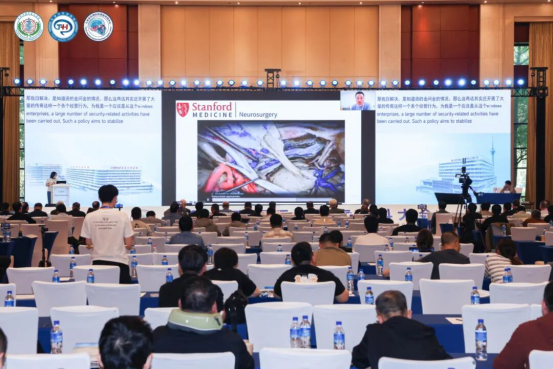
Joining remotely from the United States, Professor Xu Yuanzhi delivered an online presentation entitled “Advanced Concepts and Techniques in Endoscopic Endonasal Surgery for the Cavernous Sinus.” He provided a systematic overview of cutting-edge concepts and techniques in the endoscopic endonasal management of cavernous sinus lesions, covering surgical indications for cavernous sinus tumors, intraoperative risk prevention and management, and skull base reconstruction strategies. He also shared established surgical techniques and clinical practices developed at leading international centers specializing in endoscopic skull base surgery.
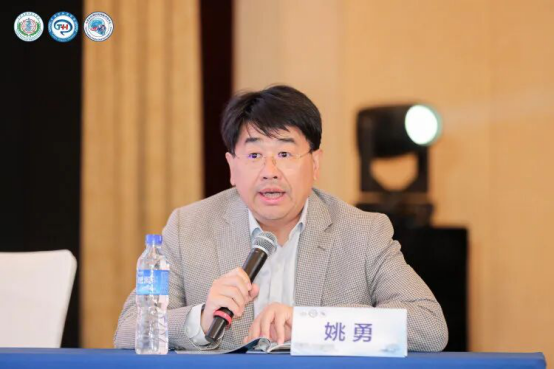
The scientific presentation session was co-chaired by Professor Yao Yong and Professor Ma Yue.
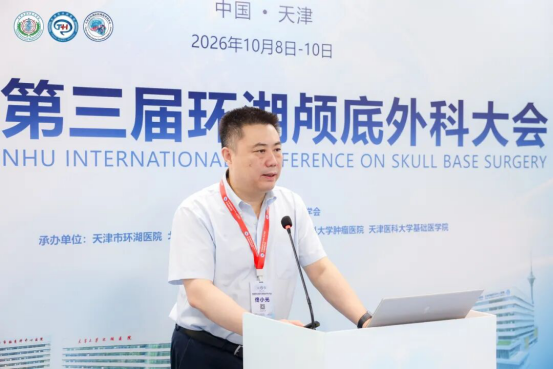
Amid an enthusiastic response from the attending experts and a vibrant atmosphere of academic exchange, Professor Tong Xiaoguang delivered an additional presentation on the extended middle cranial fossa approach. By comparing microscopic and endoscopic perspectives, he highlighted the key microsurgical anatomical landmarks of the extended middle cranial fossa approach, delineated its surgical exposure, and explored the complementary roles of endoscopy and microscopy in managing cavernous sinus lesions. His presentation provided an anatomical foundation for combined endoscopic and microsurgical approaches. Drawing on clinical cases of cavernous sinus meningiomas, Professor Tong further analyzed tumor invasion patterns and compared the advantages and limitations of different surgical approaches, including endoscopic endonasal surgery and transcranial microsurgery. He also discussed strategies for achieving maximal safe tumor resection while preserving cranial nerve function.
Summary of the Anatomical Dissection
Professor Tong Xiaoguang and Professor Juan Fernandez-Miranda subsequently delivered the concluding remarks for the session. Integrating both endoscopic and microscopic perspectives, they provided a comprehensive review of cavernous sinus anatomy, compared the respective advantages of endoscopic and microsurgical approaches, and outlined key principles for selecting the optimal surgical approach to cavernous sinus lesions. Their insights offered valuable anatomical and technical guidance for clinical practice in endoscopic skull base surgery.
Huanhu Skull Base Academy Pituitary Tumor Masterclass
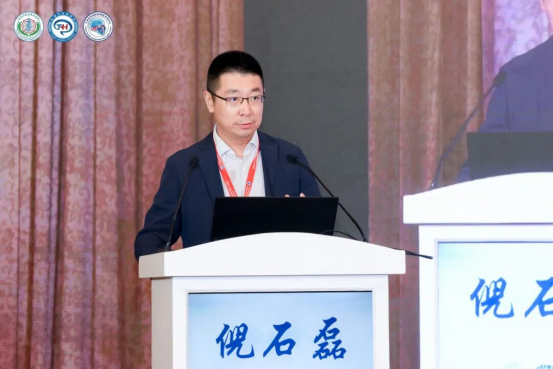
Professor Ni Shilei delivered a presentation entitled “Applications of Advanced Imaging Technologies in Pituitary Surgery.” He provided a detailed overview of the application of emerging technologies, including multimodal imaging and intraoperative navigation, in endoscopic pituitary tumor surgery. These technologies enable surgeons to accurately identify tumor boundaries and the internal carotid arteries within the confined endoscopic surgical field, thereby maximizing the safety of endoscopic endonasal pituitary surgery.
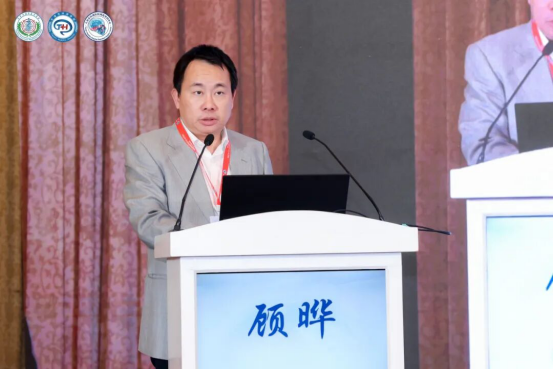
Professor Gu Ye delivered a presentation entitled “Anatomical Study and Preliminary Clinical Application of Endoscopic Endonasal Resection of Cavernous Sinus Lesions.” Focusing on the endoscopic endonasal management of tumors invading the cavernous sinus, he presented findings from anatomical studies and reported preliminary clinical outcomes based on representative cases. He also analyzed the advantages and technical challenges of endoscopic resection of lesions involving the cavernous sinus.
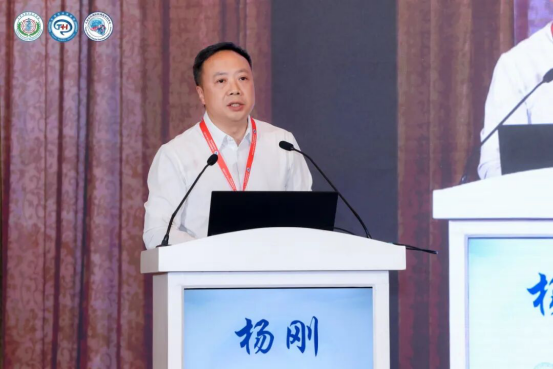
Professor Yang Gang delivered a presentation entitled “Application and Exploration of the In Situ Bone Flap Technique in Extended Endoscopic Transsphenoidal Surgery.” He introduced an innovative skull base reconstruction technique involving the reimplantation of bone flaps removed during extended endoscopic transsphenoidal surgery. This approach aims to optimize endoscopic skull base reconstruction and reduce the risk of postoperative cerebrospinal fluid (CSF) leakage, representing a promising innovation in endoscopic skull base reconstructive surgery.
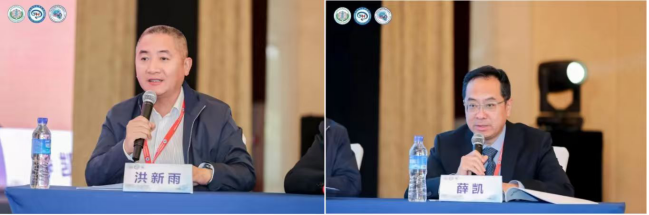
The scientific presentation session was co-chaired by Professor Xue Kai and Professor Hong Xinyu.
Speech at the Conference
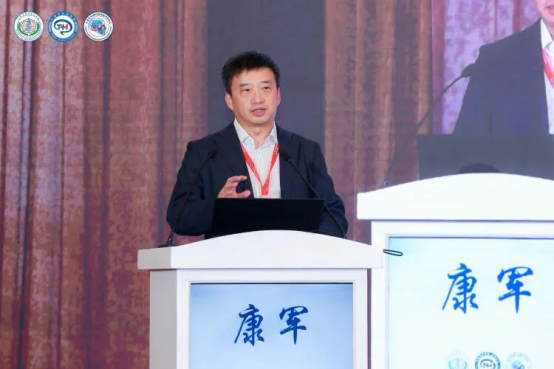
Professor Kang Jun delivered a presentation entitled “Surgical Management of Craniofacial Fibrous Dysplasia.” He discussed the surgical management of this condition, which frequently involves the skull base and orbital walls. Incorporating endoscope-assisted techniques, he outlined strategies for staged lesion resection and reconstruction of craniofacial bony structures, emphasizing the importance of balancing symptomatic improvement with surgical morbidity. His presentation offered valuable insights into the management of this relatively rare condition.
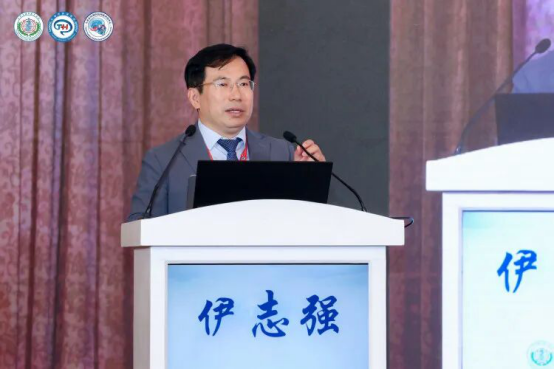
Professor Yi Zhiqiang delivered an equally engaging presentation entitled “Surgical Management of Cranio-Orbital Tumors.” Focusing on tumors extending between the intracranial and orbital compartments, he discussed the selection of surgical approaches combining endoscope-assisted techniques with microsurgery. He emphasized achieving effective tumor resection while preserving optic nerve function and ocular function, and shared multidisciplinary skull base surgical experience in managing complex lesions involving the cranio-orbital junction.
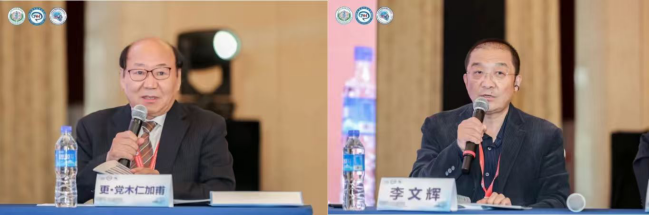
The scientific presentation session was co-chaired by Professor Geng Dangmurenjiafu and Professor Li Wenhui.