Academic Visit to a Leading Spine Center in Germany: Bringing European Expertise in Precision and Minimally Invasive Spine Surgery to Clinical Practice
Academic Exchange and Clinical Training
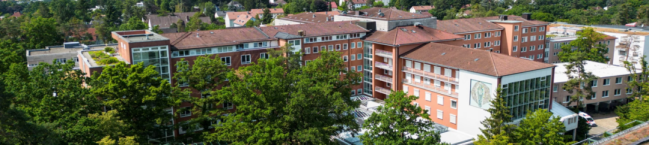
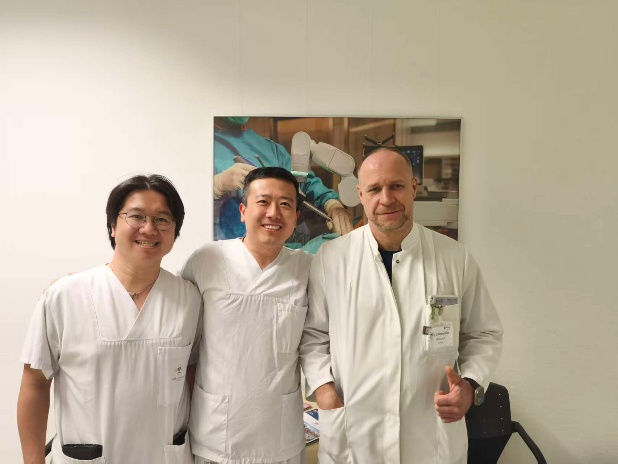
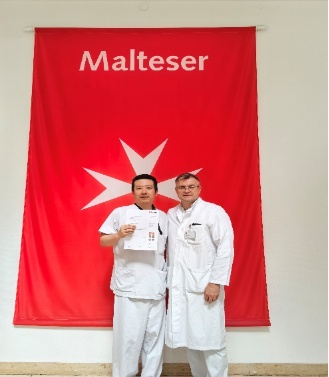
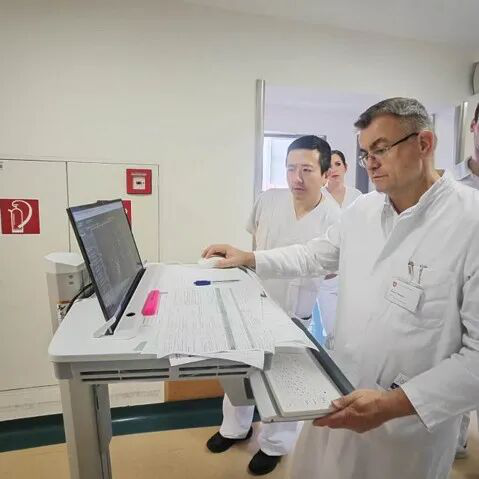
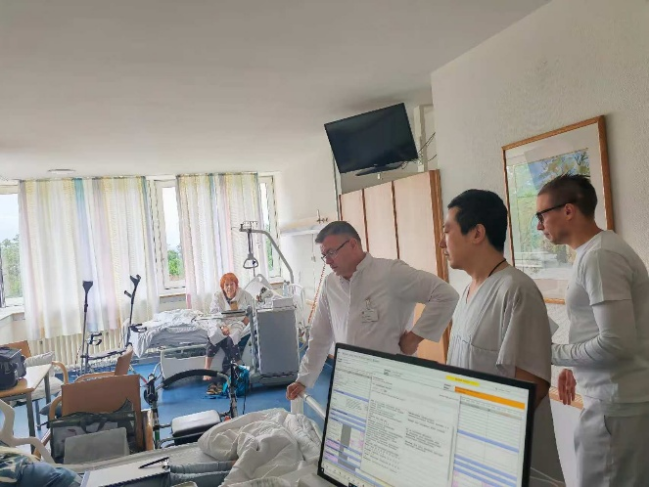
To further align the Department of Neurosurgery at Tianjin Huanhu Hospital with international advances in spinal neurosurgery and enhance its comprehensive capabilities in the diagnosis and treatment of complex spinal disorders, Dr. Yang Sun, a postdoctoral researcher in the Department of Neurosurgery, undertook a one-year academic exchange and clinical training program at the Spine Center of Malteser Waldkrankenhaus St. Marien in Germany, with the strong support of the hospital. Under the guidance of Professor Klaus Schnake, an internationally renowned expert in spine surgery, Dr. Sun received systematic training in advanced, precision-based spinal diagnostic and therapeutic techniques in accordance with European standards and successfully completed all academic and clinical training objectives.
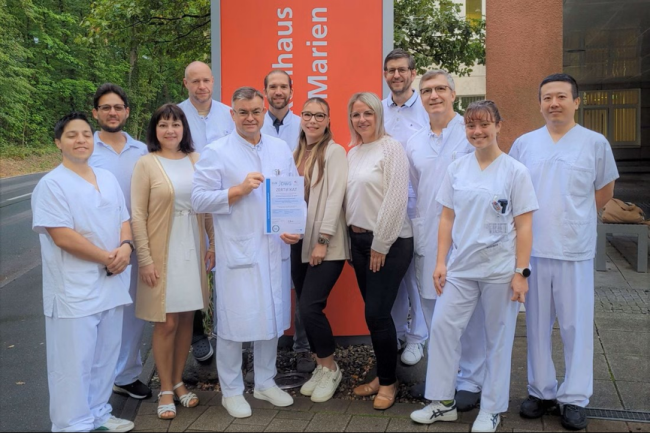
01 — Advancing Clinical Expertise and Research: Comprehensive Integration into a World-Class Spine Care System
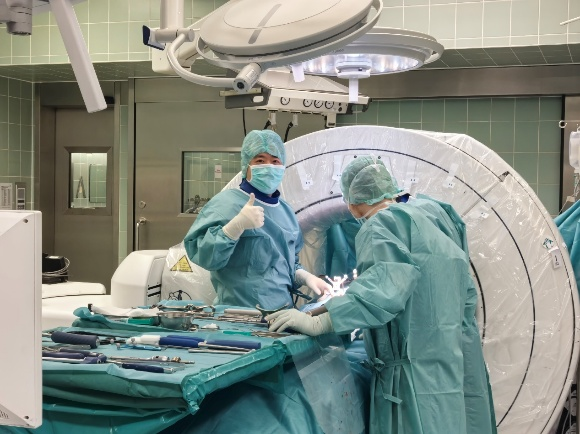
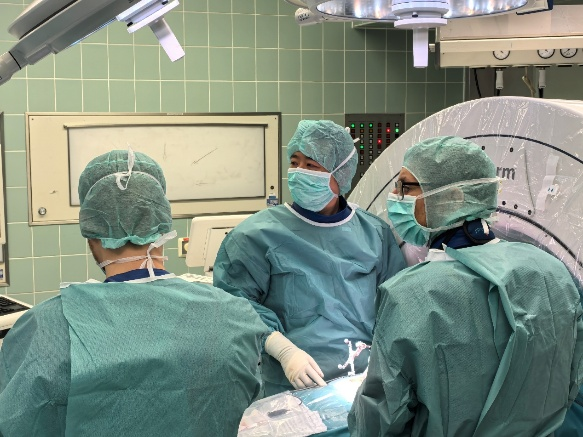
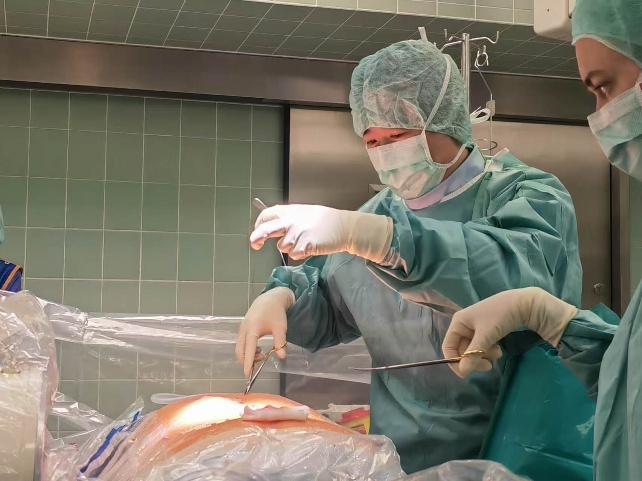
During his academic visit, Dr. Yang Sun successfully passed the center's clinical competency assessment and was authorized to participate in clinical care and surgical procedures. He was extensively involved in more than 240 complex spine surgeries, gaining systematic training in the center's specialized surgical techniques and clinical practices.
In the field of robot-assisted surgery with three-dimensional navigation, he focused on the management of challenging cases, including complex adult spinal deformities and upper cervical spine anatomical variations. He received advanced training in integrating robotic technology with 3D navigation systems to precisely plan pedicle screw trajectories and achieve millimeter-level surgical accuracy.
In minimally invasive spine surgery, he developed a comprehensive understanding of the technical characteristics, surgical approaches, and clinical indications of anterior lumbar interbody fusion (ALIF) and extreme lateral lumbar interbody fusion (XLIF).
In complex spinal deformity correction and reconstruction, he received specialized training in advanced techniques, including pedicle subtraction osteotomy (PSO) and vertebral column resection (VCR).
In addition to his clinical training, Dr. Sun actively participated in several cutting-edge international clinical research projects conducted by the department, further strengthening his expertise in both advanced spine surgery and clinical research.
02 — Engaging on the International Academic Stage: Exploring the Latest Advances in Spine Surgery
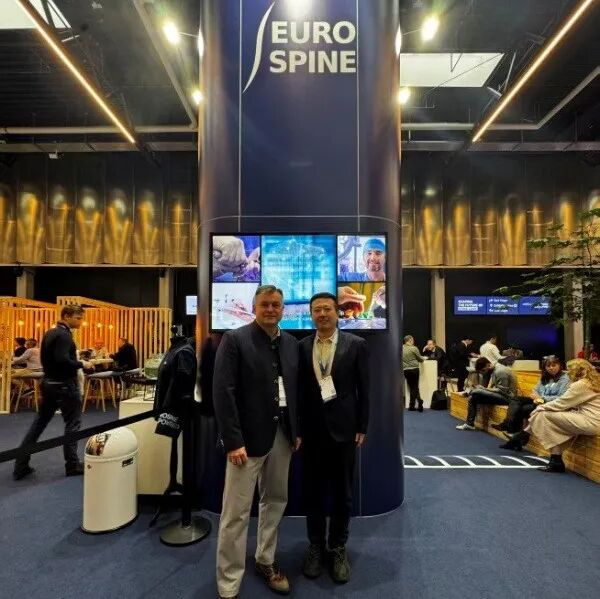
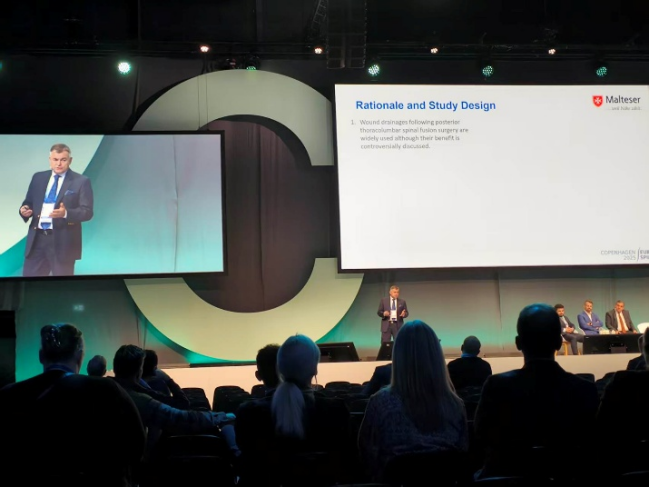
During his academic visit, Dr. Yang Sun attended the 2025 EUROSPINE Annual Meeting as an invited scholar, engaging with spine specialists from around the world to discuss the latest developments and emerging trends in the field.
In the field of spinal oncology, international experts presented advanced surgical techniques, including lateral endoscopic balloon-assisted tunneling for thoracic spinal tumor resection and combined microscope- and exoscope-assisted resection of complex vertebral tumors.
In the management of high-risk cervical spine conditions, participants exchanged insights into vertebral artery transposition techniques and combined anterior resection and posterior reconstruction for C1–C2 chordomas.
In the field of minimally invasive spine surgery, experts shared technical insights and practical considerations regarding percutaneous cervical pedicle screw fixation and minimally invasive lateral approaches to the thoracic spine.
03 — Applying Knowledge Gained Abroad to Support the Hospital’s High-Quality Development
This academic visit was a valuable learning experience made possible by the strong support of the Hospital Party Committee and hospital leadership. Dr. Yang Sun stated that, upon returning to China, he would apply the advanced clinical knowledge and experience gained in Europe to his work at Tianjin Huanhu Hospital, with a particular focus on promoting multidisciplinary diagnosis and treatment (MDT) and Enhanced Recovery After Surgery (ERAS) protocols, while working to establish a more rigorous surgical risk assessment system.
Guided by the hospital's motto, “Virtue, Medical Excellence, Innovation, and Harmony,” the Neurosurgical Spine Team at Tianjin Huanhu Hospital will remain committed to the principle of “Achieving Optimal Clinical Outcomes with Minimal Surgical Trauma.” By integrating cutting-edge international techniques into clinical practice, the team will continue to enhance the quality of patient care and contribute to the hospital's high-quality development.