(Part 2)A New Chapter of Innovation and Collaboration — The 2025 China–France Neurointerventional Symposium (CFNS 2025) Successfully Held!
Conference Opening Ceremony
The distinguished guests and conference participants watched a promotional film entitled “A New Chapter of Innovation and Collaboration: Bridging Continents, Advancing the Future of Neurointervention,” which highlighted the development and achievements of neurointervention at Tianjin Huanhu Hospital. The film screening was followed by the grand opening ceremony of the conference.
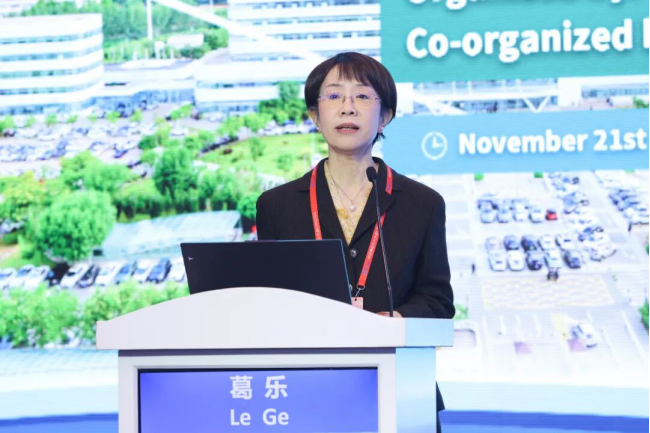
Ge Le, Secretary of the Party Committee of Tianjin Huanhu Hospital, delivered the opening address, extending a warm welcome to the distinguished experts and guests who had traveled from near and far to attend the event. In her remarks, she emphasized that the conference aimed to establish a high-level platform for academic exchange and international collaboration. She expressed her confidence that the valuable insights and expertise shared by participating specialists would inject fresh momentum into the advancement of neurointervention and concluded by extending her best wishes for a successful and productive conference.
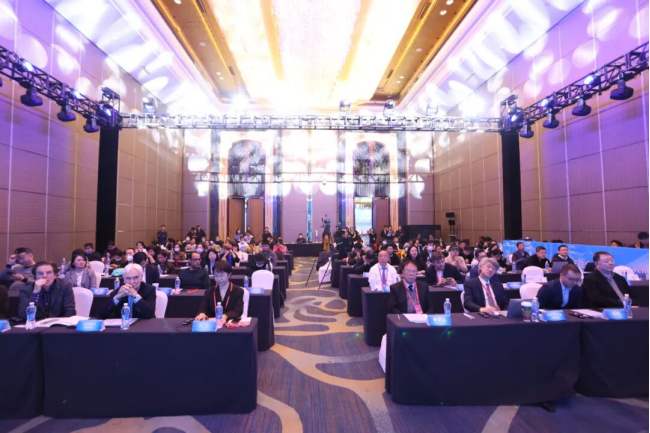
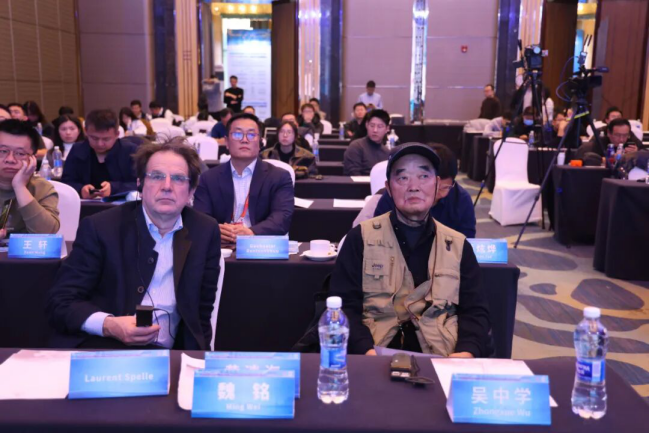
The opening ceremony was attended by Professor Wu Zhongxue from Beijing Tiantan Hospital, Capital Medical University; Professor Hong Tao from Xuanwu Hospital, Capital Medical University; Professor Chang Binge from Tianjin First Central Hospital; Professor Shi Wanchao from Tianjin Fifth Central Hospital; and Professors Jiao Derang, Yin Long, and Fan Yimu from Tianjin Huanhu Hospital. Distinguished international experts, including Professors Laurent Spelle, Jacques Moret, Laurent Pierot, Hae Woong Jeong, Rentsenkhuu Ganbaatar, and Steve Wong, were also present at the ceremony.
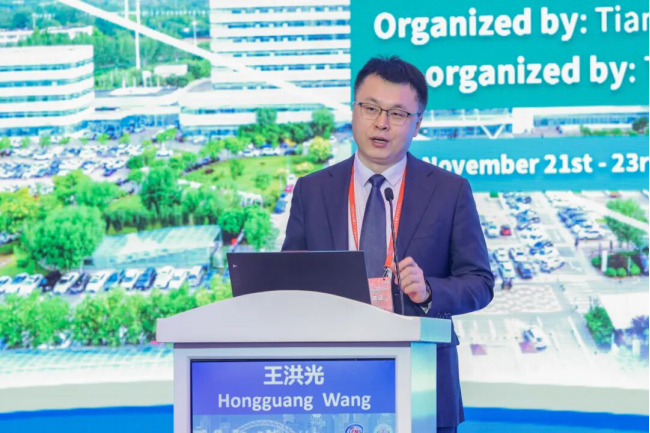
The conference opening ceremony was presided over by Wang Hongguang, Vice President of Tianjin Huanhu Hospital.
Face-to-Face with Leading Experts: In-Depth Academic Exchange
The first part of the session was co-chaired by Professor Jiao Derang and Professor Yin Long.

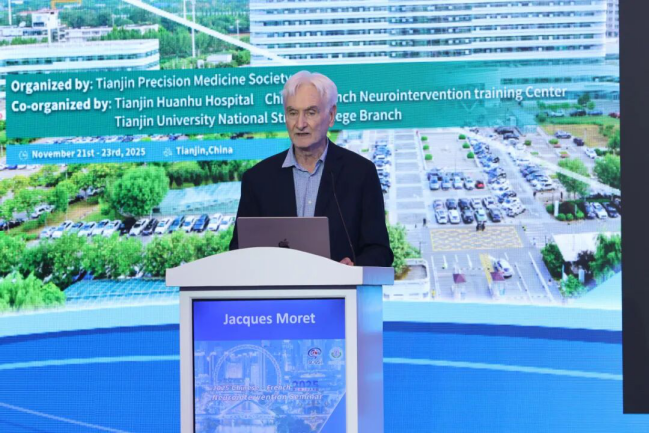
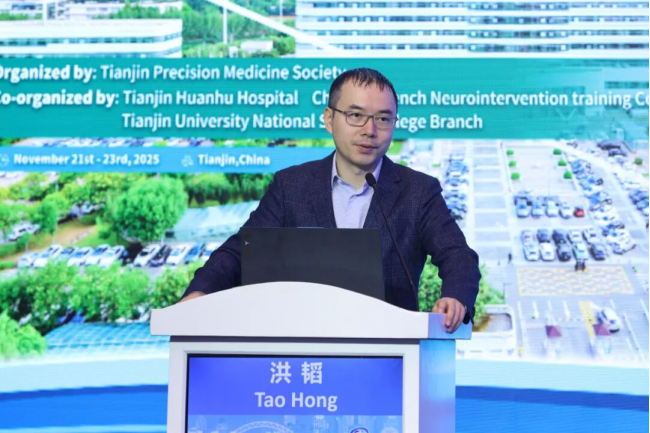
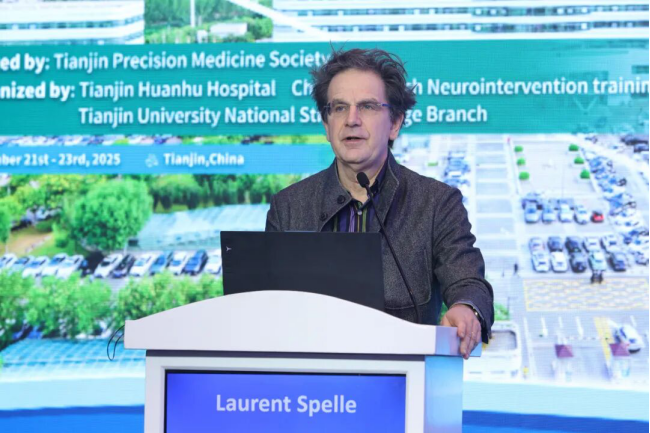
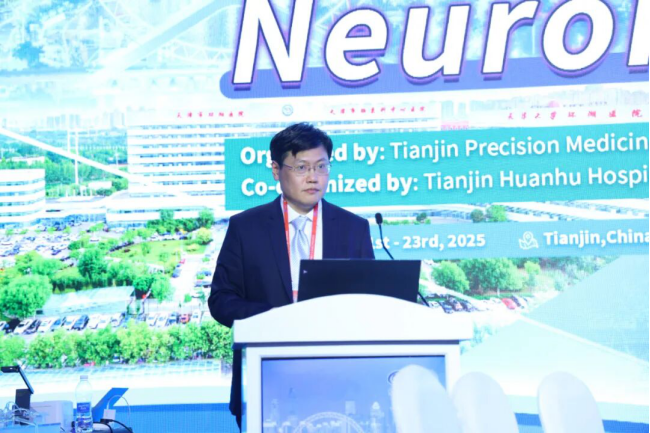
Professor Jacques Moret, former President of the World Federation of Interventional and Therapeutic Neuroradiology (WFITN); Professor Hong Tao from Xuanwu Hospital, Capital Medical University; Professor Laurent Spelle, Professor of Radiology at Université Paris-Saclay, Head of the Department of Neuroradiology at Hôpital Bicêtre, and a world-renowned expert in neurointervention; and Professor Wei Ming, Chief Physician in the Department of Neurosurgery at Tianjin Huanhu Hospital, delivered a series of insightful lectures on cutting-edge developments in neurointervention.
Their respective presentations covered “Intracranial Dural Arteriovenous Malformations: Understanding Before Treating,” “The Quest for Pharmacological Therapies for Cerebrovascular Malformations,” “Endovascular Treatment of Intracranial Aneurysms Using Flow-Diverting Devices,” and “Research Advances in p-NTMA Hemocompatible Coatings for Flow-Diverting Devices.”
Through comprehensive analyses, compelling clinical insights, and forward-looking perspectives, the distinguished speakers provided valuable inspiration to the participating experts and clinicians. Their presentations generated considerable interest and stimulated lively discussions during the interactive sessions, fostering meaningful academic exchange and deeper exploration of emerging neurointerventional technologies.
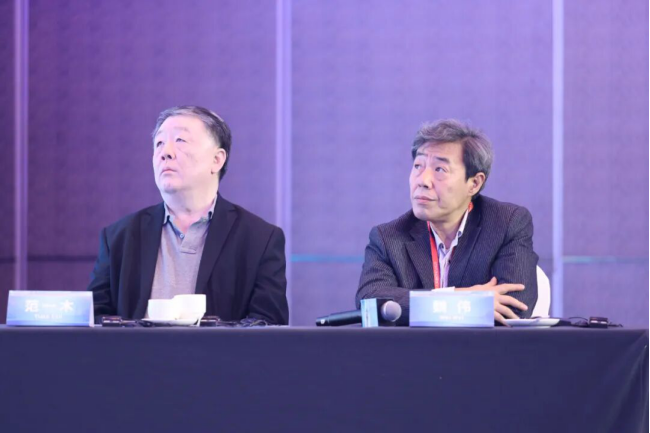
The second part of the session was co-chaired by Director Fan Yimu and Director Wei Wei.
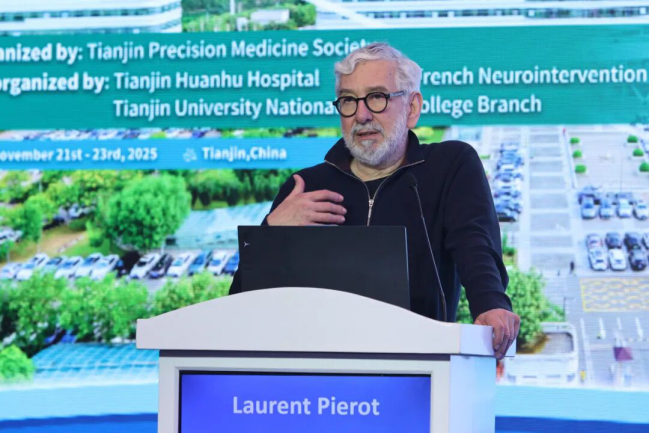
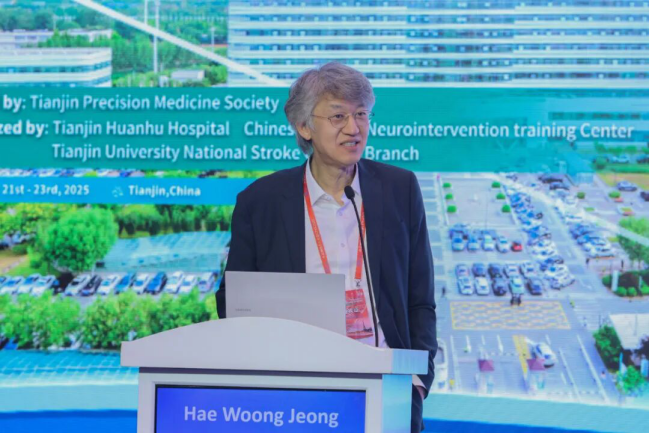
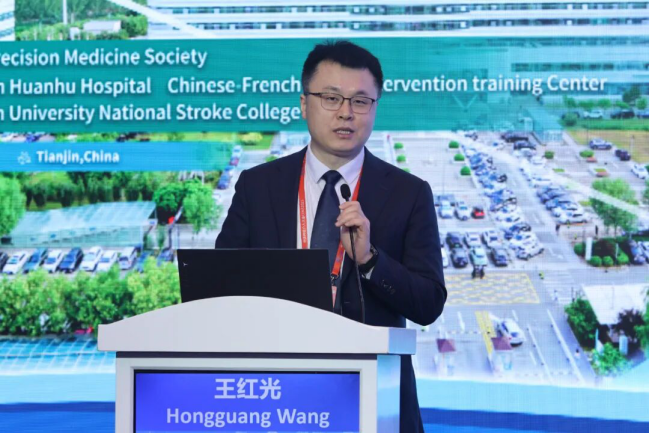
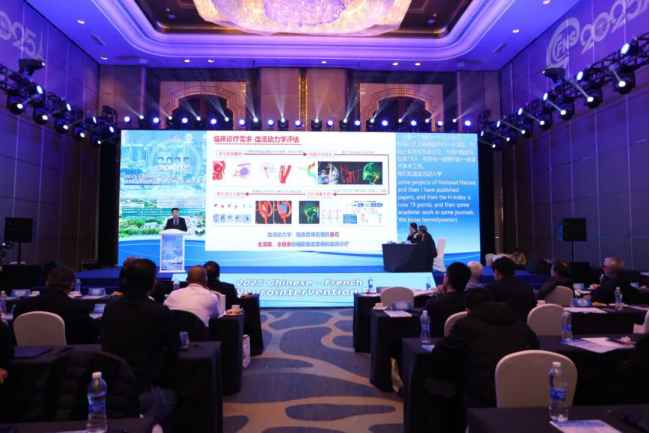
Professor Laurent Pierot, Head of the Department of Radiology at the University of Reims, France; Professor Hae Woong Jeong, President-Elect of the Korean Society of Interventional Neuroradiology and Head of the Division of Neuroradiology and Neurointervention at Busan Paik Hospital, South Korea; Professor Wang Hongguang, Vice President of Tianjin Huanhu Hospital; and the team led by Professor Chen Xiaolin from Beijing Tiantan Hospital, Capital Medical University, delivered a series of lectures addressing cutting-edge advances in neurointervention and cerebrovascular disease management.
Their respective presentations focused on “Flow-Diverting Devices: Should We Expand Their Indications?”, “Endovascular Treatment of Intracranial Aneurysms Using the Woven EndoBridge (WEB) Device,” “Hybrid Surgical Treatment of Acute Ischemic Stroke,” and “Applications of Color-Coded Cerebral Hemodynamic Analysis in Cerebrovascular Diseases.”
The innovative research findings, emerging technologies, and forward-looking clinical perspectives presented by the speakers attracted considerable interest and stimulated lively discussions among conference participants, further promoting academic exchange and the exploration of new approaches to cerebrovascular disease diagnosis and treatment.