
(Part 1)【Grand Opening】Integrating Cutting-Edge Technologies, Exploring New Frontiers in Skull Base Surgery — the 3rd Huanhu Skull Base Surgery Conference
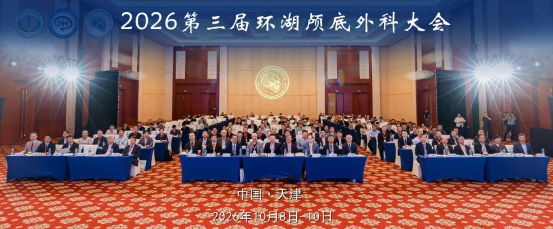
On October 9, 2026, the 3rd Huanhu Skull Base Surgery Conference was successfully held as scheduled, bringing together leading neurosurgery and otolaryngology experts from China and abroad. Under the theme “Precision, Innovation, and Integration,” the conference focused on key areas including endoscopic skull base anatomy, endoscopic endonasal surgery, combined microscopic and endoscopic techniques, and skull base reconstruction. The program featured in-depth academic discussions and presentations of cutting-edge research and clinical advances by distinguished Chinese and international experts.
01 Opening Ceremony
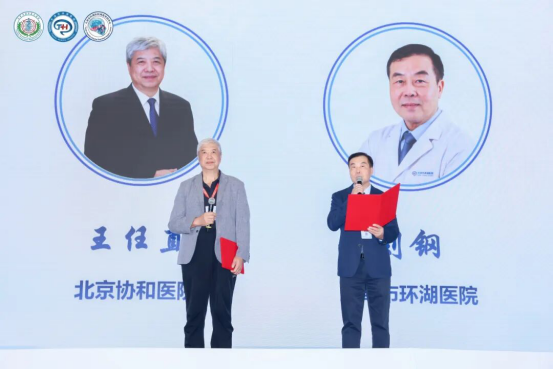
The opening ceremony was co-chaired by Professor Wang Renzhi and Professor Liu Gang.
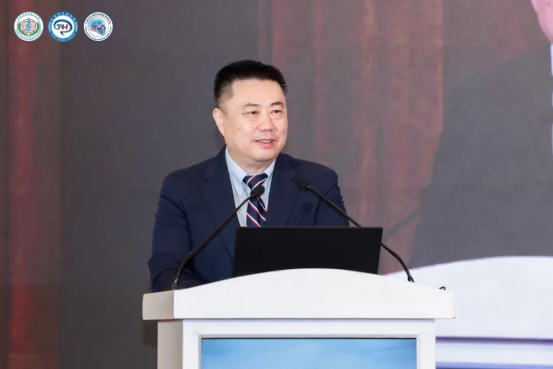
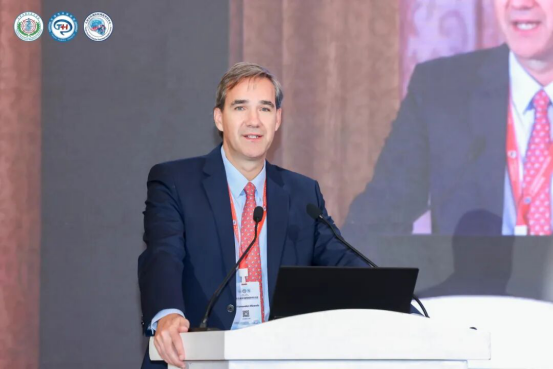
Professor Tong Xiaoguang and Professor Juan Fernandez-Miranda delivered opening remarks in succession, extending a warm welcome to distinguished experts and colleagues from China and around the world. They commended the fruitful academic exchanges and achievements of the conference’s first day. They also highlighted the key topics on the day’s agenda, including the cavernous sinus, petroclival region, and vestibular schwannomas, expressing their hope that participants would engage in in-depth discussions and gain fresh insights and innovative approaches through the integration of anatomical knowledge and clinical practice.
02 Scientific Presentations
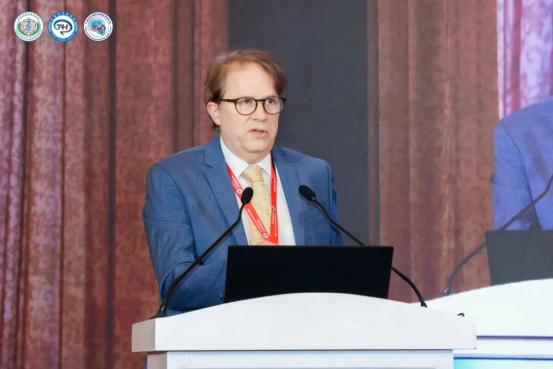
Professor Jeffrey Sorenson opened the scientific session with a presentation entitled “Applications of Artificial Intelligence to Accelerate the Study of Skull Base Anatomy.” He explored how artificial intelligence can enhance the efficiency of skull base anatomy education, with particular emphasis on AI-assisted teaching of endoscopic skull base anatomy. By leveraging AI-powered digital anatomical models, surgeons can gain a more intuitive understanding of the complex three-dimensional structures of the skull base, shorten the learning curve for endoscopic skull base anatomy, and improve training in endoscopic endonasal surgical techniques. His presentation highlighted an efficient, visually engaging, and innovative approach to surgical education, particularly benefiting young neurosurgeons seeking to develop their expertise in skull base surgery.
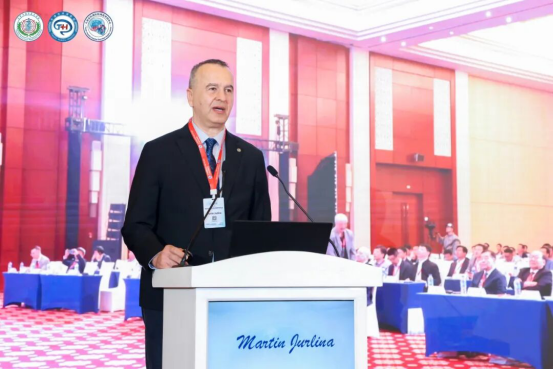
Professor Martin Jurlina delivered a presentation entitled “Optimal Materials and Techniques in Dural Defect Closure: How to Secure Watertight Closure?” Addressing one of the most critical challenges in endoscopic skull base surgery—dural defect reconstruction—he compared various reconstructive materials and shared practical techniques for endoscopic dural suturing. His presentation focused on achieving watertight dural closure to minimize the risk of cerebrospinal fluid (CSF) leakage, a major complication of endoscopic skull base surgery. He also provided a systematic overview of recent advances in materials and surgical techniques for dural defect repair, emphasizing the critical importance of watertight suturing in clinical practice and offering practical guidance for enhancing surgical safety and improving postoperative outcomes.
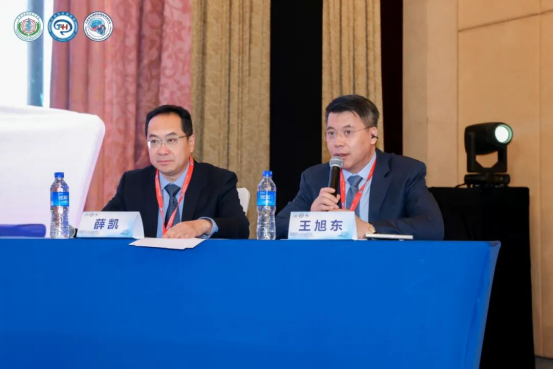
The scientific presentation session was co-chaired by Professor Wang Xudong and Professor Xue Kai.
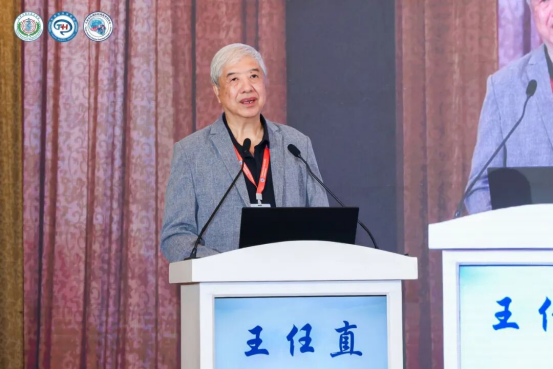
Professor Wang Renzhi delivered a presentation entitled “Reflections and Explorations on Building a Neuroscience Center Aligned with Future Trends and Directions in Medicine.” Taking a strategic and forward-looking perspective, he examined potential pathways for the future development of neuroscience centers. Drawing on the evolving needs of emerging subspecialties, particularly endoscopic skull base surgery, he explored strategic planning for the establishment and development of comprehensive neuroscience centers. Emphasizing an integrated model that brings together clinical practice, anatomical training, translational research, and talent development, his presentation offered valuable insights into the development of advanced platforms for endoscopic skull base surgery.

Professor Wu Hao delivered a presentation entitled “Clinical Research on Auditory Brainstem Implants,” highlighting significant advances in hearing restoration using this technology. Focusing on patients with cochlear nerve involvement following endoscopic skull base surgery who are not suitable candidates for cochlear implantation, he discussed the surgical indications and key intraoperative considerations for auditory brainstem implantation. His presentation also showcased recent clinical research advances in auditory rehabilitation at the intersection of neurotology and skull base surgery.
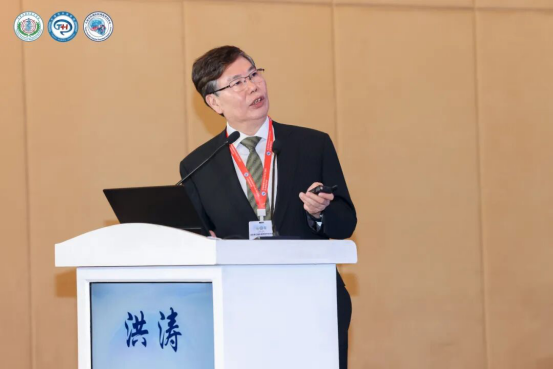
Professor Hong Tao delivered a presentation entitled “Applications of Internal Carotid Artery Segmentation and Surgical Techniques in Conventional Endoscopic Skull Base Surgery.” Addressing the high risk of internal carotid artery injury during endoscopic endonasal skull base surgery, he provided a detailed explanation of the critical role of vascular segmentation in surgical approach selection. He systematically introduced the anatomical principles underlying internal carotid artery segmentation and, taking into account the unique visualization characteristics of endoscopic surgery, outlined strategies for identifying and protecting the artery across its various segments. His presentation offered valuable technical insights into minimizing vascular injury and enhancing the safety of endoscopic skull base procedures.
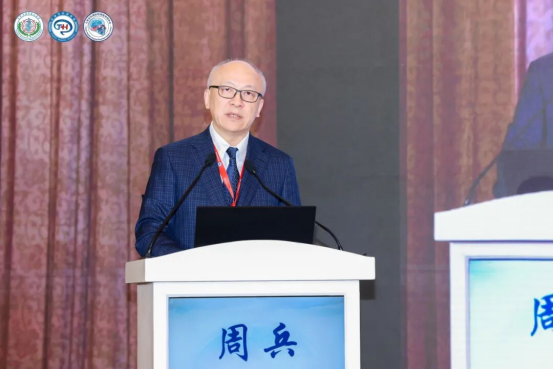
Professor Zhou Bing delivered a presentation entitled “Frontal Sinus Cerebrospinal Fluid Rhinorrhea: Surgical Strategies for Endoscopic Endonasal Repair.” Focusing on cerebrospinal fluid (CSF) leaks involving the frontal sinus, a recognized challenge in endoscopic skull base surgery, he discussed the selection of endoscopic endonasal approaches and skull base defect reconstruction techniques according to the underlying etiology. Drawing on his extensive surgical experience, he shared practical strategies for improving primary repair success rates and minimizing recurrence. His presentation provided a systematic, standardized approach to the endoscopic management of complex anterior skull base defects.
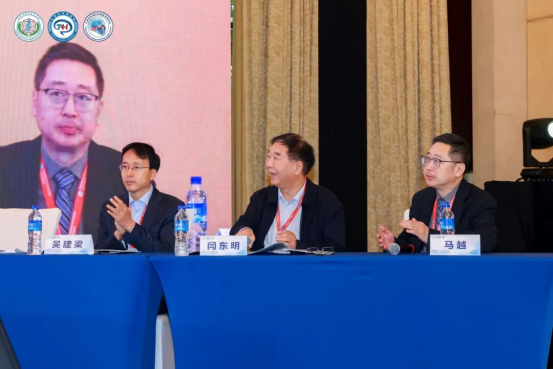
The scientific presentation session was co-chaired by Professors Zhang Hongwei, Wu Jianliang, Yan Dongming, and Ma Yue.