
(Part 3)The 2026 Tianjin Huanhu Hospital Neurospine Surgery Academic Conference and the 7th Huanhu “Advancing Together, Shaping the Future of Spine Surgery” Conference Successfully Held
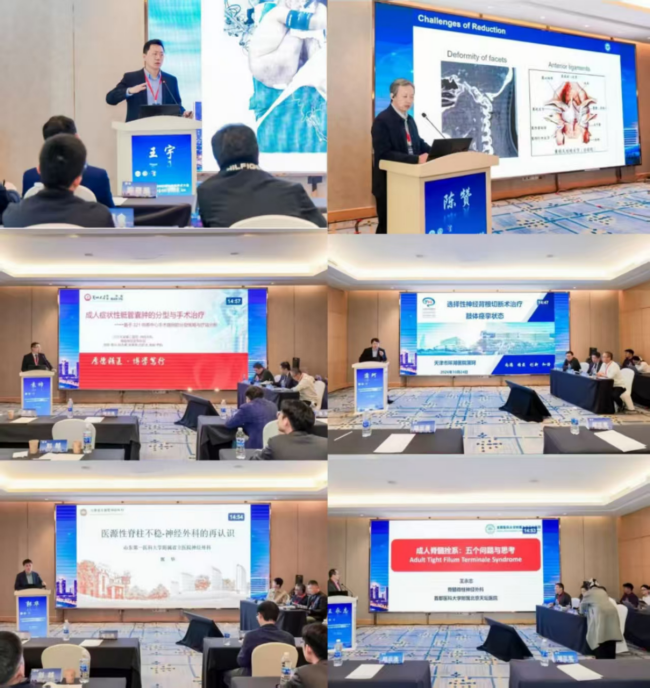
The Congenital Spine and Spinal Cord Disorders Forum addressed high-risk congenital conditions, including craniovertebral junction malformations, atlantoaxial dislocation, and scoliosis. Distinguished experts, including Professor Chen Zan of Xuanwu Hospital, Capital Medical University; Professor Chen Chunmei of the Second People's Hospital Affiliated with Fujian University of Traditional Chinese Medicine; Professor Wang Yu of Peking University First Hospital; and Professor Lu Yuntao of Nanfang Hospital, Southern Medical University, shared valuable practical experience in performing highly complex surgical procedures.
The presentations covered a wide range of challenging clinical topics, including posterior facet distraction and fixation (PFDF) for atlantoaxial dislocation, minimally invasive tubular approaches for atlantoaxial fractures, diagnosis and treatment of pediatric craniovertebral junction malformations, correction of angular kyphotic deformities caused by longstanding spinal tuberculosis, clinical decision-making in adult tethered cord syndrome, classification-based surgical strategies for sacral canal cysts, and endoscopic repair of spontaneous spinal dural leaks.
Given the intricate anatomy of the craniovertebral junction and the extremely narrow margin for surgical error, the experts generously shared their extensive hands-on experience in surgical approach selection, neurovascular protection, deformity correction, and spinal stability reconstruction. These discussions provided valuable practical insights into improving surgical precision, minimizing neurological risks, and optimizing treatment strategies for complex congenital spinal and spinal cord disorders.
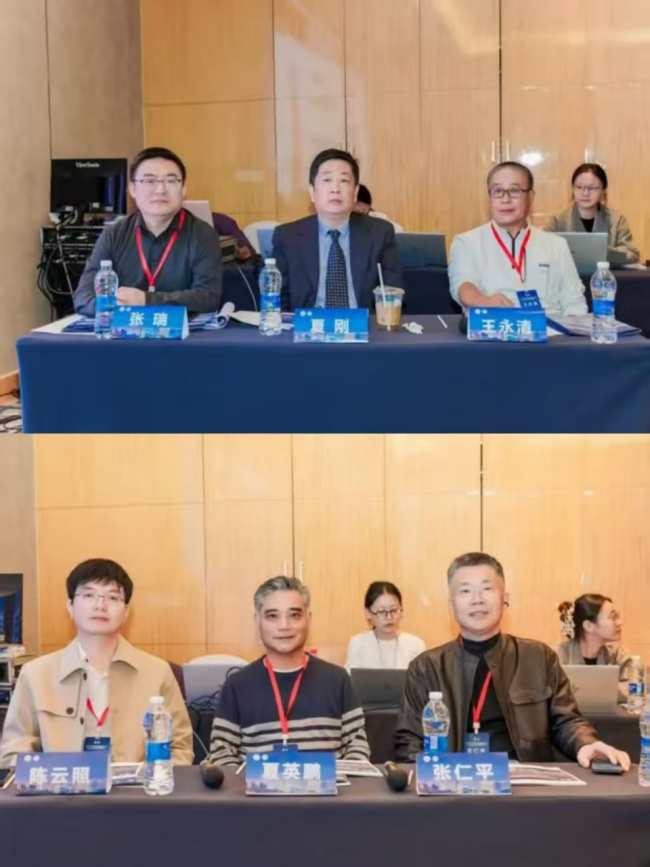
Session Moderators
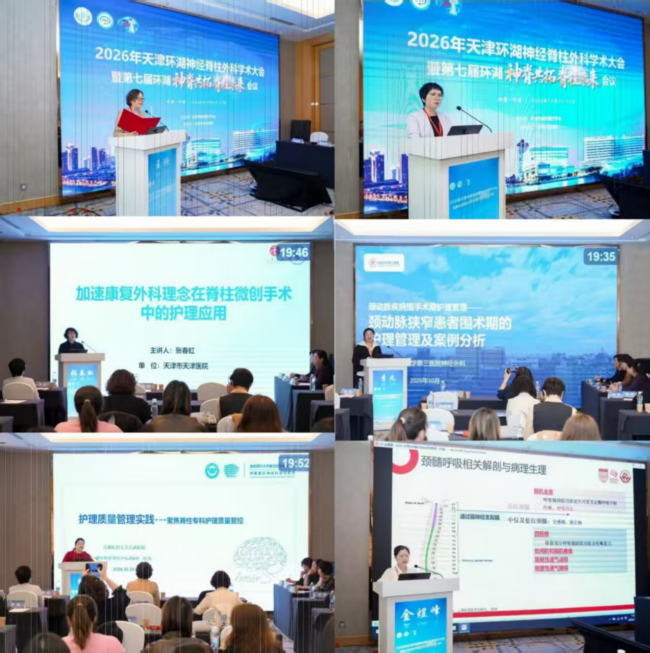
The Neurospine Specialized Nursing Forum was one of the major highlights and innovative features of this year's conference. Advances in surgical techniques depend on close collaboration with specialized nursing teams, and high-quality nursing care plays an indispensable role in ensuring patient safety and facilitating enhanced recovery in patients with complex spinal and spinal cord disorders. Recognizing the importance of specialized nursing development, Tianjin Huanhu Hospital established a dedicated nursing forum alongside the surgical sessions, providing a high-level national platform for academic exchange, professional development, and the sharing of best practices in neurospine nursing.
Director Wang Xin of Tianjin Huanhu Hospital attended the forum and delivered opening remarks. The session brought together distinguished nursing experts from leading medical institutions across China, including Yu Li from Beijing Tiantan Hospital, Capital Medical University; Jin Yufeng from Huashan Hospital, Fudan University; Guo Xinhui from Peking University Third Hospital; Ji Fan from Xuanwu Hospital, Capital Medical University; Zheng Xiaoque from the Chinese PLA General Hospital; Li Fan from Peking University Third Hospital; Shen Tong from Xuanwu Hospital, Capital Medical University; Zhang Chunhong from Tianjin Hospital; Xu Lina from Tianjin Chest Hospital; and Li Hong from Tianjin Huanhu Hospital.
The presentations addressed a comprehensive range of clinical nursing challenges, including critical care for patients with upper cervical spinal canal tumors, postoperative respiratory management following cervical spinal tumor surgery, comprehensive perioperative management of spinal tumors, quality control in specialized spine nursing, precision prevention of venous thromboembolism (VTE) throughout the care pathway, management of precision surgical instruments in neurosurgery, enhanced recovery after surgery (ERAS) nursing practices for minimally invasive spine procedures, and perioperative nursing care for atlantoaxial fusion.
Covering critical care, risk prevention, surgical instrument management, and enhanced postoperative recovery, the forum addressed key challenges and unmet needs in neurospine nursing practice. Following the presentations, participants engaged in lively discussions and exchanged practical experiences, further strengthening their clinical reasoning, specialized knowledge, and hands-on nursing competencies. The session underscored the importance of integrated medical and nursing collaboration, highlighting how surgeons and nurses can work together to optimize patient outcomes. Through this collaborative approach, the forum contributed to advancing comprehensive, safe, and high-quality care throughout the entire treatment and recovery journey of patients with spinal and spinal cord disorders.
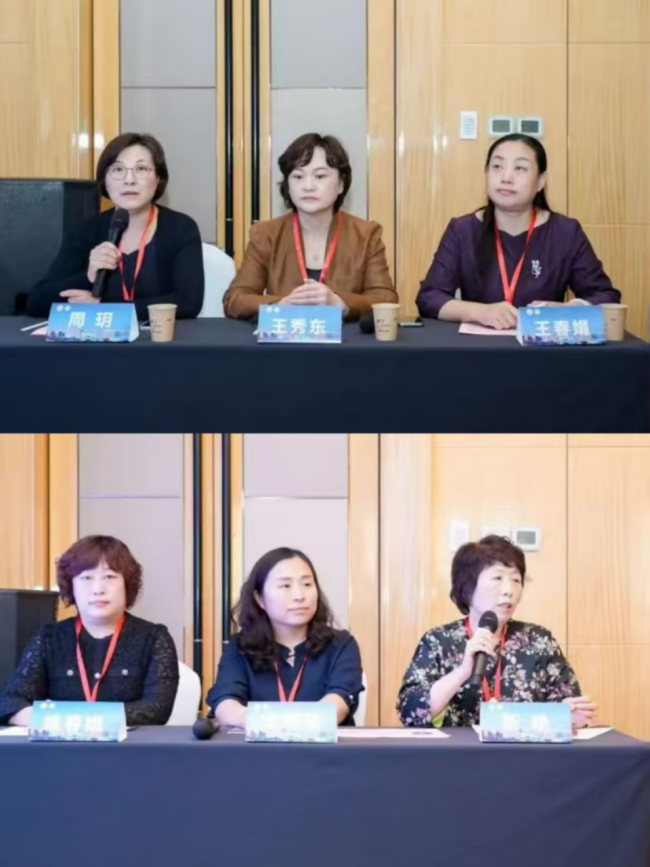
Session Moderators
04 | Thematic Satellite Symposium: Addressing Rare and Challenging Spinal Disorders
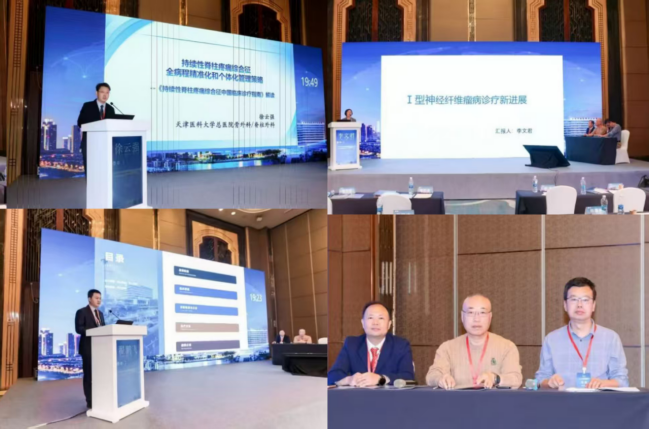
A dedicated satellite symposium was held during the lunch break, focusing on rare and clinically challenging conditions characterized by low incidence and complex diagnostic and treatment requirements. Professor Li Wenjun presented the latest advances in the diagnosis and treatment of neurofibromatosis type 1 (NF1). Professor Xu Yunqiang of Tianjin Medical University General Hospital provided a systematic overview of precision-based, individualized management strategies for persistent spinal pain syndrome (PSPS) throughout the entire course of care. Zhai Pengfei of Tianjin Huanhu Hospital shared valuable clinical experience in the diagnosis and treatment of spinal cord vascular malformations.
Serving as an important complement to the plenary sessions, the satellite symposium highlighted rare disorders and chronic refractory pain conditions that may receive insufficient attention in routine clinical practice. Through focused presentations and academic discussions, the session broadened participants' clinical perspectives, deepened their understanding of complex spinal and spinal cord disorders, and provided valuable insights into optimizing diagnostic and therapeutic strategies for these challenging conditions.
05 | Live Surgical Demonstrations: Mastering Advanced Techniques Through Expert-Led Surgical Practice
On October 25, the conference featured a series of advanced surgical demonstrations, extending academic learning from the conference hall into the operating room. Led by Professor Liu Wei, together with Director Sun Yang and a team of experienced specialists from Tianjin Huanhu Hospital, the demonstrations showcased surgical management of selected challenging cases involving complex spinal and spinal cord disorders, including degenerative spinal diseases, spinal canal tumors, thoracic ossification of the ligamentum flavum, and cervical spondylosis.
Through immersive observation of these technically demanding procedures, participants gained firsthand insights into the clinical decision-making processes, surgical strategies, and refined operative techniques essential for managing complex spinal conditions. The demonstrations effectively bridged the gap between theoretical learning and clinical practice, providing valuable opportunities for participants to deepen their understanding of advanced surgical techniques and enhance their practical capabilities in treating challenging spinal and spinal cord disorders.
This conference not only showcased the achievements of Tianjin Huanhu Hospital's Department of Neurospine Surgery in years of specialty development, but also marked an important milestone in advancing the interdisciplinary field of neurospine surgery across the Beijing–Tianjin–Hebei region and throughout China. As China's first independently established Department of Neurospine Surgery, the department has used this conference as a platform to break down traditional boundaries between neurosurgery and spine surgery and promote the integrated concept of “Neurosurgical Microsurgical Techniques + Spinal Biomechanical Reconstruction.” By bringing together the complementary strengths of both specialties, this innovative approach seeks to overcome the limitations of conventional single-specialty treatment models and establish a new paradigm for the comprehensive diagnosis and management of complex spinal and spinal cord disorders.
Tianjin Huanhu Hospital will remain committed to advancing the interdisciplinary development of neurospine surgery, establishing sustainable, high-level platforms for academic exchange, and strengthening collaboration with leading institutions and experts both in China and internationally. Through continued innovation and multidisciplinary cooperation, the hospital will strive to address the most challenging and complex spinal and spinal cord disorders, promote the standardized, precise, and internationally integrated development of neurospine surgery in China, and ultimately provide patients with safer, more effective, and higher-quality medical care.