
( Part 1 )The Future Is Here! The Inaugural Brain–Computer Interface Future Industry Conference Opens in Tianjin
On May 29, the inaugural National Brain–Computer Interface (BCI) Future Industry Conference was held at the Renaissance Tianjin Hotel as one of the major concurrent events of the 2026 World Intelligence Industry Expo. Zhang Gong, Deputy Secretary of the Tianjin Municipal Committee of the Communist Party of China (CPC) and Mayor of Tianjin, attended the event. Other distinguished attendees included Lian Maojun, Member of the Standing Committee of the CPC Tianjin Municipal Committee and Secretary of the CPC Binhai New Area District Committee; Wang Xu, Member of the Standing Committee of the CPC Tianjin Municipal Committee and Executive Vice Mayor of Tianjin; Wang Xiufeng, Vice Mayor of Tianjin; Hu Xueming, Secretary-General of the Tianjin Municipal People's Government; and Chai Liyuan, Academician of the Chinese Academy of Engineering and President of Tianjin University.
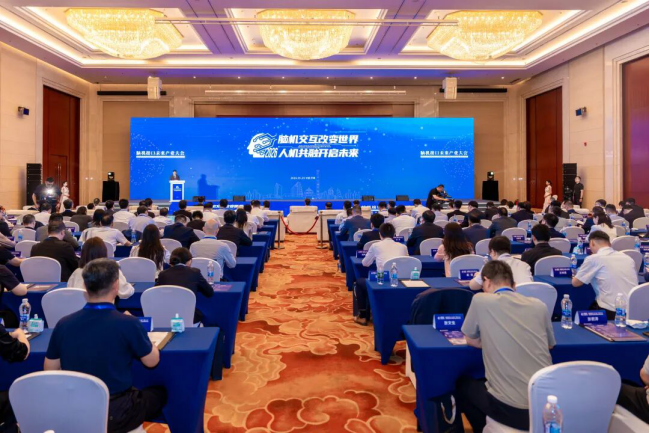
Brain–computer interface (BCI) technology has been identified as one of the key future industries prioritized in China's 15th Five-Year Plan period (2026–2030). The conference was jointly organized by the Haihe Laboratory of Brain–Computer Interaction and Human–Machine Integration together with the State Key Laboratory of Advanced Medical Materials and Devices. Under the theme “Brain–Computer Interaction Transforms the World, Human–Machine Integration Shapes the Future,” the event brought together representatives from government agencies, leading enterprises, investment institutions, universities, and research organizations.
The conference aimed to establish a collaborative platform integrating industry, academia, research, and practical applications, while facilitating targeted engagement between government and enterprises and strengthening cooperation between enterprises and investors. Through these efforts, the event sought to position Tianjin as a leading hub for the BCI industry and accelerate the development of emerging sectors within the future industrial landscape.
At the opening ceremony, Lian Maojun, Chai Liyuan, and representatives from relevant departments of the Ministry of Science and Technology and the Ministry of Industry and Information Technology delivered addresses. The ceremony was presided over by Ming Dong, Director of the Haihe Laboratory of Brain–Computer Interaction and Human–Machine Integration and Vice President of Tianjin University.
During the conference, Yang Xianjin, Secretary of the CPC Tianjin University Committee, met with participating experts and representatives from the business community.
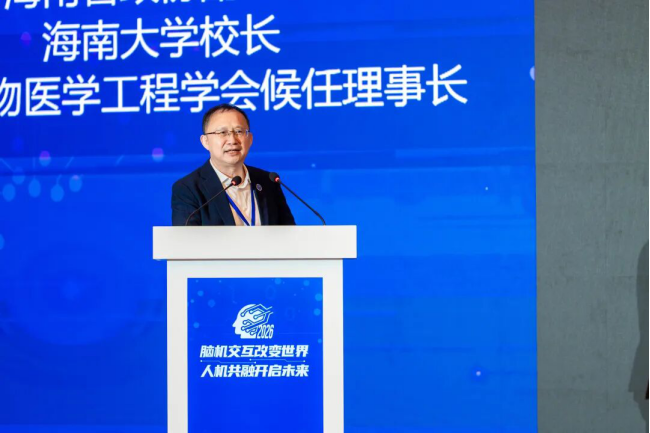
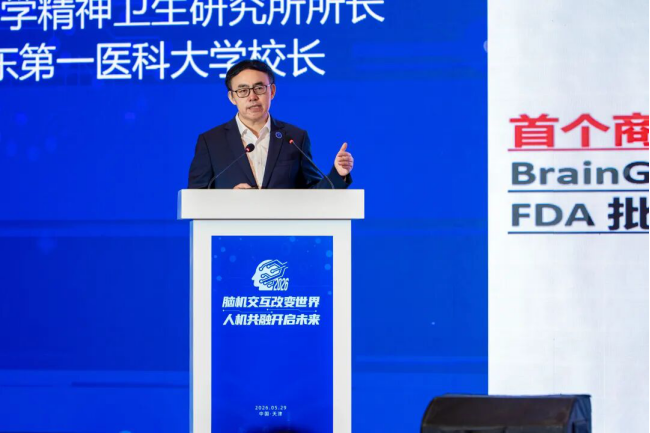
Luo Qingming, Academician of the Chinese Academy of Sciences, Vice Chairman of the Hainan Provincial Committee of the Chinese People's Political Consultative Conference (CPPCC), President of Hainan University, and President-Elect of the Chinese Society of Biomedical Engineering; and Lu Lin, Academician of the Chinese Academy of Sciences, Director of the National Center for Mental Disorders, and President of Shandong First Medical University (Shandong Academy of Medical Sciences), delivered keynote speeches on fundamental research, clinical applications, and future prospects of brain–computer interface (BCI) technology.
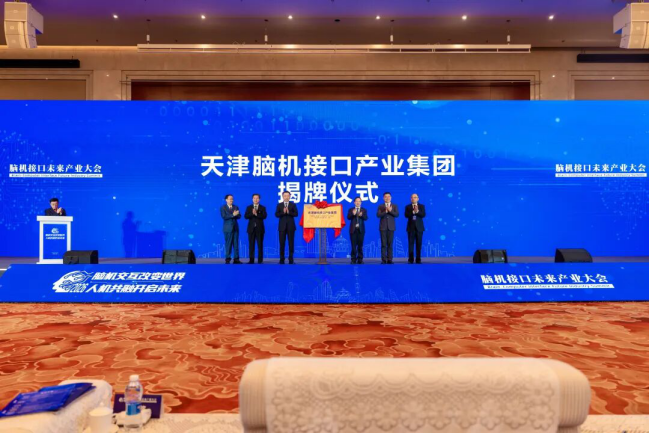
During the conference, Lian Maojun, together with Xia Qinglin, Secretary of the Party Leadership Group and Director of the Tianjin Municipal Bureau of Industry and Information Technology; Yang Liu, Secretary of the Party Committee and Director of the Administrative Committee of Tianjin Binhai High-Tech Industrial Development Area; and Mei Zhihong, Deputy Director of the Tianjin Municipal Science and Technology Bureau, officially unveiled the Tianjin Brain–Computer Interface Industry Cluster. The cluster will leverage the Haihe Laboratory of Brain–Computer Interaction and Human–Machine Integration as its technological innovation hub, with Tianjin Brain–Computer Industry Group serving as the leading enterprise. Specialized industrial parks, including the Xin Zhi Perception Industrial Park and the New Growth Drivers Building, will provide space for industrial expansion, while Tianjin Huanhu Hospital and other medical, rehabilitation, and healthcare institutions across the city will serve as clinical translation and application bases.
The initiative will focus on developing specialized industrial parks dedicated to BCI-integrated AI smart glasses, BCI-enabled robotics, and BCI-based rehabilitation equipment. It will also establish a network of clinical translation and application bases in collaboration with tertiary Grade A hospitals, rehabilitation institutions, and specialized medical centers throughout Tianjin.
Through an integrated approach encompassing technological research and development, industrial expansion, and clinical translation, the cluster aims to accelerate the large-scale development of the BCI industry across the entire innovation and industrial value chain. It is envisioned as a leading hub for technological innovation, a major destination for project implementation, and a center for industrial collaboration.
Tianjin Brain-Computer Interface Industry Group, jointly owned by the Haihe Laboratory of Brain-Computer Interaction and Human-Machine Integration, Tian Jin University Science and Technology Park Co., Ltd., and Tianjin TEDA Investment Holding (Group) Co., Ltd., was also officially established at the event. Wang Xiufeng, Chai Liyuan, and Ming Dong, together with Zheng Weiming, Secretary of the Party Committee and Director of the Tianjin Municipal State-owned Assets Supervision and Administration Commission; Yang Chuansheng, Secretary of the Party Committee and Chairman of TEDA Holding; and Liu Desheng, Chairman of Tianjin Brain-Computer Interface Industry Group, jointly unveiled the plaque marking the Group's establishment.
Looking ahead, the Group will focus on the engineering development and commercialization of intellectual property, establish an intelligent manufacturing base for brain-computer interface technologies and a specialized capital operations platform, and foster an industrial ecosystem that closely integrates industry, academia, research, and practical applications. The Group will also strive to become a hub for high-caliber talent in the brain-computer interface industry, promoting the deep integration of the four key pillars—innovation, industry, capital, and talent.
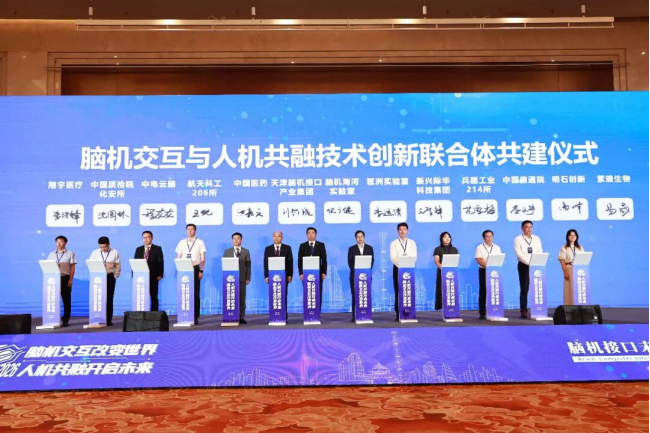
During the conference, the Laboratory held a signing ceremony for the joint establishment of the Brain-Computer Interaction and Human-Machine Integration Technology Innovation Consortium with leading enterprises, research institutions, and other organizations in related fields, including Tianjin Brain-Computer Interface Industry Group, the China Academy of Information and Communications Technology, the Chinese Academy of Inspection and Quarantine, China Electronics Corporation, China Aerospace Science and Industry Corporation, China North Industries Group Corporation, China General Technology (Group) Holding Co., Ltd., Xinxing Cathay International Group, Mingstone Innovation Technology Group, the Guangdong Provincial Laboratory of Artificial Intelligence and Digital Economy (Guangzhou), Jiangsu Zilang Biomedical Innovation and Development Center, and Henan Xiangyu Medical Equipment Co., Ltd.
The collaboration aims to bring together national and regional resources, as well as strategic scientific and technological capabilities, to accelerate innovation in brain-computer interface technologies and promote their industrial development and practical applications.
Break up the long organization list Use more natural institutional phrasing Tianjin University signed talent development agreements with leading universities, including the Hong Kong Polytechnic University, Zhejiang University, the University of Science and Technology of China, Harbin Institute of Technology, Beihang University, Beijing Institute of Technology, Southeast University, the University of Electronic Science and Technology of China, South China University of Technology, Southern University of Science and Technology, Shanghai Tech University, Hainan University, and Shandong First Medical University, to jointly establish the National Brain-Computer Interface Education Consortium. This initiative aims to strengthen collaboration in talent development, leverage the complementary strengths of participating institutions, and foster mutual advancement in the education and training of professionals in the brain-computer interface field.
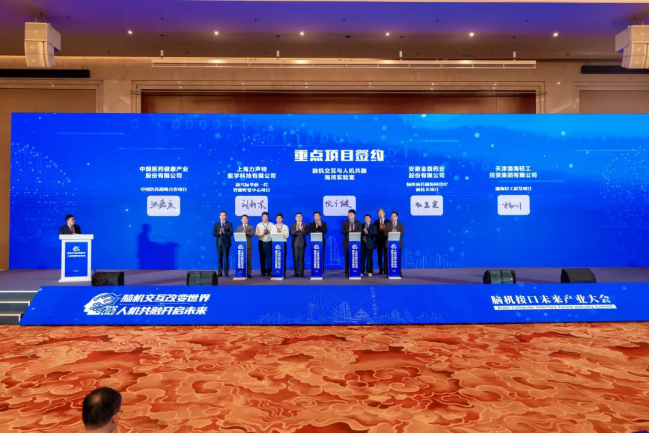
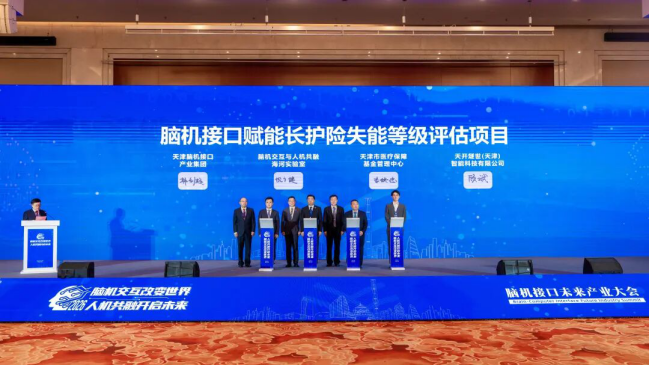
A series of high-priority projects were formally signed at the conference, including the Sinopharm Strategic Cooperation Project, the Xinxing Cathay Next-Generation Intelligent Hearing Center Project, the Innovative Technologies for Integrated Drug-Device Diagnosis and Treatment of Brain Disorders Project, the Bohai Light Industry Research and Development Project, the Brain-Computer Interface-Enabled Disability Level Assessment Project for Long-Term Care Insurance, and the Brain-Computer Interface Industry Innovation Service Platform. These initiatives are expected to provide fresh momentum for the advancement and upgrading of the brain-computer interface industry.